More on Ingredients and Animal Digest
Deal Breaker Pet Food Ingredients – Truth about Pet Food
truthaboutpetfood.com ›
Pet Food Ingredients
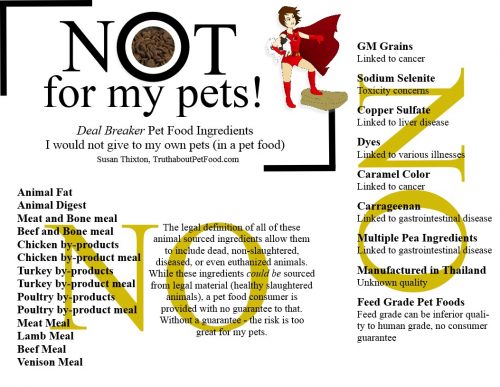
There are certain pet food ingredients that I consider to be deal breakers; ingredients I would never allow my pets to consume in a pet food. Here are those deal breaker ingredients, and why I would not allow my pets to consume them.
Deal Breaker Pet Food Ingredients
By
Susan Thixton
-
July 7, 2016
66
There are certain pet food ingredients that I consider to be deal breakers; ingredients I would never allow my pets to consume in a pet food. Here are those deal breaker ingredients, and why I would not allow my pets to consume them.
The information below is not provided to sway anyone’s opinion or sway anyone’s pet food purchasing habits. The information below is my personal opinion of certain pet food ingredients based on my experience and knowledge of the pet food industry, knowledge of pet food ingredients, knowledge of pet food law, and knowledge of lack of enforcement of law. Based on my experiences as a pet food consumer advocate, I would not give my own pets a food with one of the following ingredients…(details of each ingredient follow)…
Animal Protein or Animal Fat Ingredients
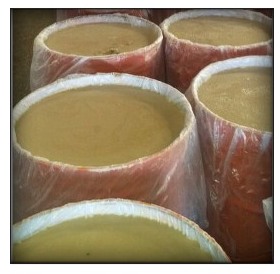
Animal Fat in Barrels Source:
http://www.alibaba.com/product-detail/Animal-Fat_50001440773.html
Animal Fat
The legal definition of this ingredient allows it to be sourced from dead, non-slaughtered, diseased, or even euthanized animals. I have read and heard sufficient evidence to believe that it is common practice for dead, non-slaughtered, diseased, and/or even euthanized animals to be included in this common pet food ingredient on a consistent basis.
Because the legal definition of this ingredient allows it to be sourced from dead, non-slaughtered, diseased, or even euthanized animals – it violates U.S. federal food safety law.
While some sources of Animal Fat could be from legal material (healthy slaughtered animals), a pet food consumer is provided with no guarantee to that. I would not give my own pets a food, treat or supplement that included this ingredient.
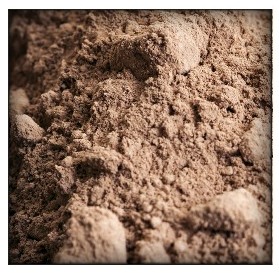
Animal Digest Source:
https://www.proplanveterinarydiets.com/pet-food-myths-and-facts/
Animal Digest
Just like the ingredient Animal Fat, the legal definition of Animal Digest allows it to be sourced from dead, non-slaughtered, diseased, or even euthanized animals.
The legal definition of this ingredient labels it a violation of U.S. federal food safety law.
While some sources of Animal Digest could be from legal material (healthy slaughtered animals), a pet food consumer is provided with no guarantee to that. I would not give my own pets a food, treat or supplement that included this ingredient.
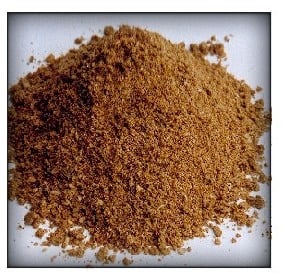
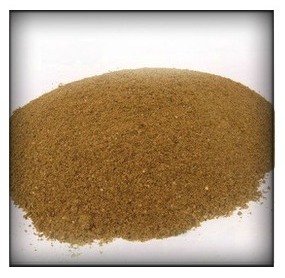
Meat and Bone Meal Source:
http://www.bmsbd.com/meat-and-bone-meal-mbm/
Meat and Bone Meal, Beef and Bone Meal
Just like the above ingredients, the legal definition of these ingredients allow them to be sourced from dead, non-slaughtered, diseased, or even euthanized animals.
The legal definition of these ingredients labels them a violation of U.S. federal food safety law.
While some sources of Meat and Bone Meal or Beef and Bone Meal could be from legal material (healthy slaughtered animals), a pet food consumer is provided with no guarantee to that. I would not give my own pets a food, treat or supplement that included this ingredient.
Poultry By-Products Source:
http://www.wattagnet.com/articles/12666-poultry-processing-condemnations-a-guide-to-identification-and-causes
Chicken by-products, Turkey by-products, Poultry by-products, Chicken by-product meal, Turkey by-product meal, Poultry by-product meal
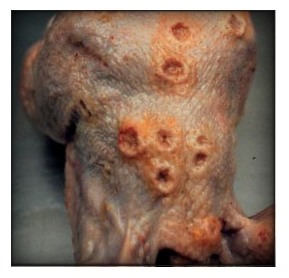
Just like the previously discussed ingredients, the legal definition of these ingredients allows them to be sourced from dead, non-slaughtered, diseased animals (diseased animal example in image) and it is common for these ingredients to be sourced from ground alive spent laying hens (no longer producing eggs) or day old male chicks – including feathers and feces.
The legal definition of these ingredients labels them a violation of U.S. federal food safety law.
While some sources of these ingredients could be from legal material (healthy slaughtered animals), a pet food consumer is provided with no guarantee to that. I would not give my own pets a food, treat or supplement that included these ingredients.
Meat Meal Source:
https://www.alibaba.com/product-detail/lamb-meat-meal_872532571.html?spm=a2700.7724857.0.0.UB2B8x
Meat Meal, Beef Meal, Lamb Meal, Venison Meal
These ingredients as well are allowed through their legal definition to be sourced from dead, non-slaughtered, diseased animals. While I believe in many cases these ingredients are sourced from USDA inspected and approved animal sources, consumers have no guarantee to that.
The legal definition of these ingredients labels them a violation of U.S. federal food safety law.
While some sources of these ingredients could be from legal material (healthy slaughtered animals), a pet food consumer is provided with no guarantee. I would not give my own pets a food, treat or supplement that included these ingredients.
Additional information to Animal Protein and Fat Ingredients
It is common knowledge within pet food/animal feed that law will not be enforced; the FDA and each State Department of Agriculture makes no secret to their allowance of illegal material into pet food. While authorities allow industry to profit from hideous wastes dumped into pet food/animal feed, the animals consuming those products pay the ultimate price.
Suppliers of the previous animal origin pet food ingredients are obligated to abide by U.S. federal food safety law, however FDA and each State Department of Agriculture openly advises industry law will not be enforced. Consumers have no guarantee if the ingredient is legal – sourced from USDA inspected and approved slaughtered animals, or if the ingredient is illegal – sourced from dead, non-slaughtered, diseased, ground alive, or euthanized animals.
Without a guarantee – a public guarantee the pet food does not contain the even the slightest part of a diseased, non-slaughtered, ground alive or euthanized animal – I would not feed my own pets a food that included any of the previously discussed ingredients. And unfortunately, I’ve never seen any pet food using one of these ingredients make that guarantee.
The certain risk – in my opinion – of ingredients sourced from dead/non-slaughtered, diseased, ground alive, or euthanized animals is endotoxins. Dead animals contain massive amounts of bacteria, when bacteria is killed during cooking of the pet food or cooking of the ingredients endotoxins are produced (from gram-negative bacteria such as Salmonella). High levels of bacteria produces high levels of endotoxins; high levels of endotoxins are deadly. To learn more about the risk of endotoxins,
Click Here.
Additional ingredients I would not allow my pets to consume in a food, treat or supplement.
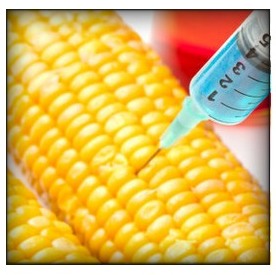
GM Grains Source:
http://www.care2.com/greenliving/tumors-linked-to-genetically-modified-corn.html
GM Grains
I would not give my pets a food that contained genetically modified grains. The certain risk – in my opinion – is glyphosate (testing has confirmed the presence of glyphosate in pet food). Glyphosate in pet food is a cancer risk; a risk I am not willing to take for my own pets. To learn more about glyphosate testing of pet food
Click Here.
Sodium Selenite Source:
http://dir.indiamart.com/impcat/sodium-selenite.html
Sodium Selenite
This ingredient is a commonly used supplement source of selenium; if human error occurred (overdose), this ingredient could kill a pet quickly. Even below maximum dosage (for dogs), this ingredient could (and I’m certain does) cause toxicity issues for dogs and cats alike. (AAFCO has not established a maximum selenium level for cat food.)
If a supplement is used, the safer supplement for dog food is selenium yeast (to my knowledge does not have the toxicity issues as sodium selenite). For cats, there is no safer supplement; FDA has not approved selenium yeast for cat food – very unfortunate. FDA has told me they are waiting for pet food manufacturers to provide safety information to the agency to determine approval of selenium yeast for cats. For cat food, I would look for a product that contained no selenium supplement (no sodium selenite); food ingredients in the pet food can easily provide the necessary selenium to the diet (the same holds true for dog food too).
Food sources that provide selenium are tuna, pork, clams, brown rice, seeds, broccoli, cabbage, spinach and many more foods. A small amount of any of these foods would meet the selenium requirement in pet foods; no supplementation is needed. I would not give my own pets a food, treat or supplement that contained sodium selenite. To learn more about selenium toxicity,
Click Here.
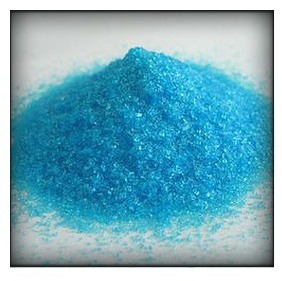
Copper Sulfate Source:
http://dir.indiamart.com/delhi/copper-sulphate.html
Copper Sulfate
In 2015 I learned of a veterinarian whose own dog died linked to this pet food supplement. I have spoken with this vet numerous times and learned that this extremely common pet food supplement has been documented as the probable source of copper storage disease in more than 100 dogs (by a Cornell University veterinarian). The original approval of this pet food ingredient was based on a study for pigs (not cats and dogs). This ingredient is an inexpensive feed grade ingredient I would never give to my own pets. To learn more about Copper Sulfate
Click Here.
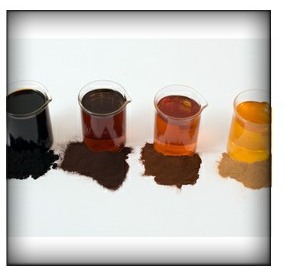
Caramel Color
Source:
http://www.aarkayfoods.in/caramel-colours.html
Dyes or Caramel Color
Dyes or Caramel Color in pet food does absolutely nothing to benefit a cat or dog, and they come with risks. Caramel Color contains a known carcinogen; other dyes come with certain risks as well. Again, these are risks that I am not willing to take for my own pets. To learn more about Dyes
Click Here, to learn more about Caramel Color
Click Here.
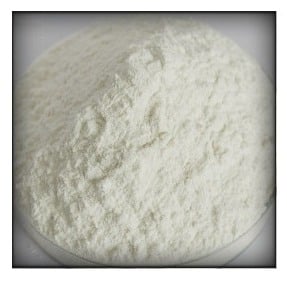
Carrrageenan
Source:
http://www.aliexpress.com/cheap/cheap-carrageenan.html
Carrageenan
The ingredient Carrageenan is used in moist pet foods as a thickener. Multiple studies have linked this ingredient with gastrointestinal disease;
“prolonged inflammation is a precursor to more serious diseases, including cancer.” I would not provide my own pets a food that contains the ingredient Carrageenan. To learn more about the pet food ingredient Carrageenan
Click Here.
Feed Grade Ingredients
This deal breaker is a little more difficult to explain than the above ingredients. Pet food comes in two different categories; food grade and feed grade (but they are all called pet ‘food’). Food grade is human edible meat and vegetable/fruit ingredients, human grade supplements, and manufactured in a human food facility. Feed grade is all others; pet foods that contain human grade ingredients and pet foods that contain illegal ingredients, pet foods that use human grade supplements and pet foods that use animal supplements such as copper sulfate (mentioned previously in this document).
About the only thing that is certain about a feed grade pet food is that they are not manufactured in a human food facility. It is unfair and frustrating for consumers to not be informed on the pet food label to the quality of ingredients used in the pet food (especially considering what FDA allows) – but existing regulations do not allow a pet food to tell consumers the quality of ingredients. The only thing a consumer can do is talk or email with the company and ask them. Ask if all ingredients are USDA inspected and approved for human consumption. The best we have at this point is to ask and trust our guts to the honesty of the company.
Multiple Pea Ingredients
Multiple pea ingredients are linked to gastrointestinal issues with cats and dogs. I would not give my own pets a food that contained multiple pea ingredients; not worth the health risks. To read more about peas
Click Here.
Pet Foods manufactured in Thailand
Thailand has a very concerning recent history using slave labor. With so much unknown, I would not give my own pets a food manufactured in Thailand. To learn more about slave labor in Thailand
Click Here.
Ingredients sourced from China
I would not give my own pets a food that contained ingredients from China. Recent history has shown there are concerning quality control issues with foods or ingredients sourced from China. This is not to say that everything sourced from China has quality control issues; my concern is pet food related products.
And…if you want a List of pet foods that contain these ingredients, the brand names of pet foods that I would never give to my own pets…I have put together a new List. A List of Pet Foods that I would never give my own pets, and why. This document is a fund raiser for TruthaboutPetFood.com (AAFCO meeting coming soon) and
is free for members of our pet food consumer association.
Click Here to learn more.
Wishing you and your pet(s) the best,
Susan Thixton
Pet Food Safety Advocate
Author Buyer Beware, Co-Author Dinner PAWsible
TruthaboutPetFood.com
Association for Truth in Pet Food
What’s in Your Pet’s Food?
Is your dog or cat eating risk ingredients? Chinese imports? Petsumer Report tells the ‘rest of the story’ on over 4,000 cat foods, dog foods, and pet treats. 30 Day Satisfaction Guarantee.
www.PetsumerReport.com
The 2016 List
Susan’s List of trusted pet foods.
Click Here
The Other List
The List of pet foods I would not give my own pets.
Click Here
Have you read Buyer Beware? Click Here
Cooking for pets made easy, Dinner PAWsible
Find Healthy Pet Foods in Your Area Click Here


Glad to hear the little dude is transitioning well

 I’ve been training before and all of a sudden duke just disconnects and off to do his business he’d go. More so when he was young he doesn’t need to go as often now but when he was younger oh I could guarantee a walk and then a game of fetch would ALWAYS bring a poop not sure why but it did.


 lol):