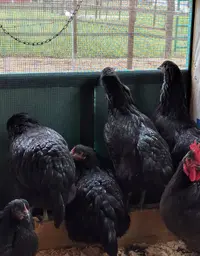
Could it be bumble foot?
What is Bumblefoot?
Bumblefoot is basically an infection caused by the staphylococcus bacteria which enters the chicken’s system through a cut, scratch, injury or a chafed and irritated area on its foot. The infection creates an abscess full of pus. It affects all species of poultry and occurs worldwide. Since this infection is quite common among backyard chicken flocks, you may discover that something “fowl” is afoot while visiting your chooks one day. But, don’t retreat, treat!
 Symptoms of Bumblefoot
First things first-is it really Bumblefoot? Your strong winged wonders can and do flap themselves up and down and here and there throughout the day. Their naturally curious nature takes them to places that they should and should not be- when you march to the beat of chicken feet you could end up just about anywhere. From fence posts, tractors and hay wagons to dog houses, decks and laundry line posts, your clucky chooks will inevitably investigate. And, what flaps up, needs to flap back down-landings such as these from precarious heights and/or onto rough surfaces can lead to injury. So, if you notice a chook or two limping or favoring a particular leg, it may not necessarily be Bumblefoot, but rather, due to a rough landing. Either way, it warrants closer observation.
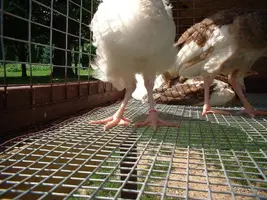
Because Bumblefoot mimics a typical foot or leg strain or injury, one of the first signs of this condition is limping. Chickens that have Bumblefoot will limp and sit or rest more often than usual to avoid pain. Chooks may not want to roost and opt for sleeping on the ground instead. Another telltale sign is swelling of the joints in the toes and foot in general.
Basically, Bumblefoot develops in three distinct stages, with each stage being more serious than the previous.
Stage 1:
The first stage of Bumblefoot is characterized by pinkish- red rough areas on the top or bottom of the chicken’s feet or between its toes.
Stage 2:
The second stage manifests itself with increased redness, sores, inflammation and infection. The chicken in question will most likely be feeling a little pain upon walking and landing.
Stage 3:
During stage three, the final and most serious stage of this infection, any sore that has not been treated will turn dark brown-ish black. Chickens are in a good deal of pain and will avoid any movement or activity that puts pressure on their sore weak foot or feet.
Who Gets Bumblefoot?
Now, while Bumblefoot affects all breeds of chickens, heavier breeds and males are definitely more susceptible due to the pressure that the extra body weight exerts on their foot pads. That being said, any overweight bird can be more prone to a Bumblefoot infection, as well.
In addition to weight, this type of infection can also be attributed to nutritional deficiencies, too much protein in your flock’s diet, as well as, an excessive amount of uric acid in their system. A healthy balanced diet = healthy happy chickens who are less likely to develop infections. Chickens who do not get enough vitamins A and B or who get too much protein are more likely to get infections. Normally, a chicken’s body excretes any excess uric acid, a waste product; however, individual genetics, a digestive system malfunction, recurring illness and infections, an unbalanced diet, sedentary chooks or a wet and/or soiled environment can cause the uric acid to remain in the chicken’s bloodstream.
If you do discover a chook with a Bumblefoot infection, you should do a quick check of all your chooks’ feet just in case. It’s always better to be safe than sorry, because in the wonderful yet wacky world of chickens, we backyard chicken keepers know very well that ,while out and about, chooks often don their monkey suits and play the delightful game of monkey see, monkey do! Curious chickens follow other curious chickens.
It's something that worries me this time of year. I increase their protein intake to help with molt. I'm never quite sure if I have crossed the line on protein.



 I hope you get to the bottom of it! Poor thing!
 Oohh, a sling!
  Duh.
Duh.