Early Neuro Stimulation (aka Biosensor) and Early Scent Identification

Hunting dog or other nose work breeders, and Service dog breeders add in Early Scent Introduction:

And more:
 
I think many breeders do early introductions to stimulation. @Rits - I know would have more hands-on information on this.

I don't know how much good it does, but I can't think of a downside. It's the same as human babies having all these colorful mobiles hanging over the crib to encourage the eyes to look, and small soft toys made of different fabrics or tactile surfaces for them to put their hands on...

The early scent Intro is interesting and I just read yesterday about humans not utilizing their sense of smell is akin to not exercising any other part of our bodies, "use it or loose it" kind of thing. They said that the more things you smell daily, simply bending down and smelling different wildflowers, grasses, moss or moist dirt (and mentally noting the differences) can activate your brain in areas that have been "napping" due to no activity. I immediately thought of our dogs and letting them do very active sniff walks or longer hikes where they use their nose for an hour or two at a time, compared with dogs that simply go out in their same back yard day after day, not processing new information in their brain.
 
@Rits and others;
In your opinion Is this a universal or important enough protocol to be a criteria for selection, when I am interviewing breeders?

I'm trying to slowly get smart enough to ask intelligent questions about the breeders program, lines, philosophy etc, as an educated buyer.
 
In your opinion Is this a universal or important enough protocol to be a criteria for selection, when I am interviewing breeders?
For temperament and personality I think it's important. Not being a breeder I'm not sure about how this would be applied to show prospects. Generally you submit your puppy application and describe your lifestyle and your intentions and goals for your new puppy. The difference in puppies in one litter can be quite amazing. There are no solid promises of success by reading very young pups reactions, but it is helpful. A good breeder will have been watching and taking notes on the entire litter since they were born, and should not take any part of the puppy testing, which is usually done by a stranger that the pups aren't familiar with. Between what the breeder has made notes on and the evaluation of the tests, the breeder then matches up what puppies will work best in what types of homes.

Long way of saying: word your puppy questionnaire honestly and carefully!
 
The difference in puppies in one litter can be quite amazing. There are no solid promises of success by reading very young pups reactions, but it is helpful. A good breeder will have been watching and taking notes on the entire litter since they were born
That has been our experience and I appreciate them picking the right pup for our plans for him/her. I have heard a few people who are unhappy because they can't just go there and pick out their own pup but the breeder has been with them for at least 7 or 8 weeks and knows each pup much better than we could ever figure out in the short time we go to see them. If it's a show breeder, of course they're going to wait until the pups can be evaluated for conformation so those pups will be picked first for the show homes and the others will be picked for companion or performance home after that.
 
That has been our experience and I appreciate them picking the right pup for our plans for him/her. I have heard a few people who are unhappy because they can't just go there and pick out their own pup but the breeder has been with them for at least 7 or 8 weeks and knows each pup much better than we could ever figure out in the short time we go to see them. If it's a show breeder, of course they're going to wait until the pups can be evaluated for conformation so those pups will be picked first for the show homes and the others will be picked for companion or performance home after that.
@JanS yes, I would expect and prefer the "best practices breeder" I have interviewd and chosen to buy from;
to chose the pup that fits my needs as per that breeders detailed interview and evaluation of ME as a suitable home for the pup.

The Volhard test is in my checklist for discussion in MY interview of best breeder, whether show/total/working line.
"Conducts a Volhard Test (or similar) with third party assist, and signature on written score.

This is a rationalized drive/nerve/behavior evaluation that documents inherited health, on the behavioral side,
And imho is as important as any health tests/dna tests on the puppy. (Based on my reading here and other doberman forums, websites...)
Here is an example from archives
 
In your opinion Is this a universal or important enough protocol to be a criteria for selection, when I am interviewing breeders?
I find it useful and an important part in puppy raising. I personally use both. At the very least, I consider it early, EARLY socialization, lol. They are getting handled, temporarily put under stress and then recover from it which is said to be good for them later in life, handled around their paws (which is a very much needed skill to tolerate), their brain is challenged with a new smell daily... all good things for a pup! I also have a third party temp test my puppies and I hold onto them until 12 weeks vs 8. This lets me get their ears healed completely and ready for their first posts before they go home. They usually are already posted too, are a few weeks into potty and crate training. Besides that I start basic obedience skills like learning leash pressure, stacking, following the hand as a lure/food dispenser, sit, down, stand, stay, plus they've already been socialized and exposed to a wide variety like different environments, flooring, unsteady surfaces, people of all ages, strange dogs (friends), strange sounds (I have a playlist of a wide variety of noises) and right before they leave they will have been to two or three places outside of the home. All these to help ensure the puppies are well socialized before that critical window that typically closes around 12-16 weeks. Personally, I raise my puppies how I would want to purchase a puppy from a breeder, so those are the things I would look for if I were you!
 
I find it useful and an important part in puppy raising. I personally use both. At the very least, I consider it early, EARLY socialization, lol. They are getting handled, temporarily put under stress and then recover from it which is said to be good for them later in life, handled around their paws (which is a very much needed skill to tolerate), their brain is challenged with a new smell daily... all good things for a pup! I also have a third party temp test my puppies and I hold onto them until 12 weeks vs 8. This lets me get their ears healed completely and ready for their first posts before they go home. They usually are already posted too, are a few weeks into potty and crate training. Besides that I start basic obedience skills like learning leash pressure, stacking, following the hand as a lure/food dispenser, sit, down, stand, stay, plus they've already been socialized and exposed to a wide variety like different environments, flooring, unsteady surfaces, people of all ages, strange dogs (friends), strange sounds (I have a playlist of a wide variety of noises) and right before they leave they will have been to two or three places outside of the home. All these to help ensure the puppies are well socialized before that critical window that typically closes around 12-16 weeks. Personally, I raise my puppies how I would want to purchase a puppy from a breeder, so those are the things I would look for if I were you!
Thanks @Rits very useful.
Like to read more about "how you would want to purchase a puppy" in detail. Do you have a checklist for what you look for?

Do you have a FaceBook page or website or other literature to share on how you as a breeder do those things, in more detail? (Dont want to ask you to give away your trade secrets, and the above is a great start already for me so thanks. PS: no interest in breeding, as this next will be last big dog...just how to evaluate breeders, that breed functional dogs to purpose)

What is the critical period at 12 to 16 weeks called, and why is it significant, for new owners to do, check preparation on, and what breeder has done to set up the pup for that?

Sorry to pester you in public forum, and if its best I can ask in PMs, or offline by email.
 
Sorry to pester you in public forum, and if its best I can ask in PMs, or offline by email.
Don't ever worry about that since it helps everyone else who might be looking for answers to those same questions.
 
Do you have a checklist for what you look for?
I just listed those things in my above post, haha. I raise my puppies how I would want my breeder to raise them if I was purchasing one from another breeder again. I forgot to mention the puppies also have had their nails clipped and/or dremeled since their eyes and ears were open, so they are all well accustomed to that too!

Do you have a FaceBook page or website or other literature to share on how you as a breeder do those things, in more detail?
Oh, no website yet (working on it). You would have to scroll on my facebook page to find my posts, but I have documented and explained what I do and why, for both litters I've had.

What is the critical period at 12 to 16 weeks called, and why is it significant, for new owners to do, check preparation on, and what breeder has done to set up the pup for that?
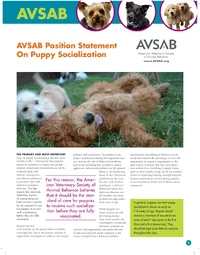
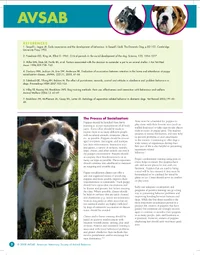
It is when the early socialization window closes by. Prior to this time puppies should have been exposed to as many new people, animals, stimuli and environments as can be achieved safely and without causing overstimulation manifested as excessive fear, withdrawal or avoidance behavior. Since new homes can easily be overwhelmed and may not have the skillset or knowledge to do it right, I choose to do it for them. I also like to keep my show picks I'm trying to decide between until 12 weeks anyways so it works out well that I don't feel in any rush to get the one that isn't picked and/or "pet" puppies out the door before then.

1788306643432.webp

1788306679213.webp

 
I just listed those things in my above post, haha. I raise my puppies how I would want my breeder to raise them if I was purchasing one from another breeder again. I forgot to mention the puppies also have had their nails clipped and/or dremeled since their eyes and ears were open, so they are all well accustomed to that too!


Oh, no website yet (working on it). You would have to scroll on my facebook page to find my posts, but I have documented and explained what I do and why, for both litters I've had.


It is when the early socialization window closes by. Prior to this time puppies should have been exposed to as many new people, animals, stimuli and environments as can be achieved safely and without causing overstimulation manifested as excessive fear, withdrawal or avoidance behavior. Since new homes can easily be overwhelmed and may not have the skillset or knowledge to do it right, I choose to do it for them. I also like to keep my show picks I'm trying to decide between until 12 weeks anyways so it works out well that I don't feel in any rush to get the one that isn't picked and/or "pet" puppies out the door before then.

View attachment 163062

View attachment 163063

Perfect! Thank you.
 

Back
Top