
Heh. Did not catch that but yeah...reading how she interviews buyers, lays out the rules...pretty germanic which I have bo problem with being 1/4 squarehead too.Laura V-B bio includes "snuggling with a Doberman with ears and a tail". Again, I have zero problems with natural Dobes. I advocate for them and have criticized DPCA for their policy of leaving them out of pictures. But between the lines I read "I'm not one of those people who mutilate their puppy". I don't tolerate intolerance from either side.
I'm tempted to call and learn more, inc ask about the Fkc out cross with Howavarts but nah....
she is clear about no contact unless serious buyers with deposits. Again no problem not even close to that on any next dog.
So I'll just file it for awhile.
Good info on the breed, anyway.

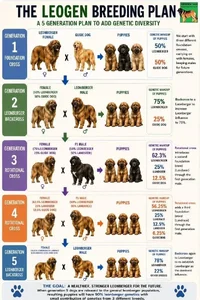


 together to get a "rare" color.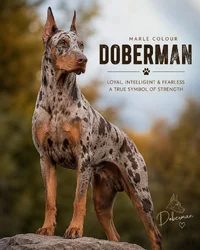



 Don't envy, everyday is a drama most people could live without.