Regalis
Notable member
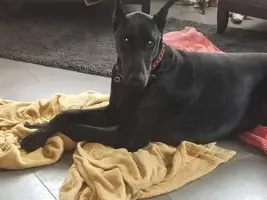
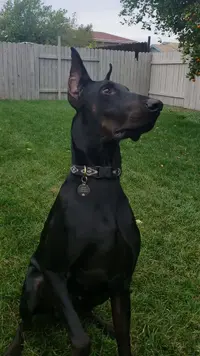
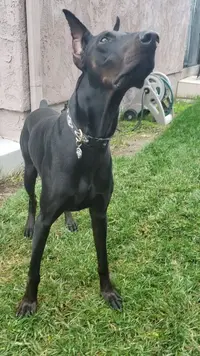
There is both hypermelanistic (darker coloring) and hypomelanistic (lighter coloring).
As with ANY genetic trait like this - the big problems tend to come when people start breeding for color alone. If I remember correctly, it's a simple recessive gene, meaning both parents have to be carriers or affected.
That said - other color forms that are acceptable work in the same way.
As with anything genetic, we rarely know the full scope of what all can be/is effected by these traits. Just because we only see a color change, doesn't mean it can't have other repercussions. But that goes for any genetic color mutation. They've linked the "red" gene in certain breeds to a higher rate of behaivoral problems, for example. The Merle gene is another great example of how the gene can do a lot more than just change colors.
At the end of the day - I think the melanitstic dobes look awesome. But I'd probably never own one. I don't have a huge problem with them being bred, so long as it's not the *only* reason they are bred (parents need to otherwise be sound examples of the breed in both health and temper).