Von, going back and requoting details of what Mars is going through (poor guy

), this
really sounds like
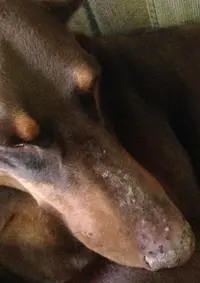
Canine Pemphigus. There are 4 different types so a biopsy of the mouth lesions and a blood test would have to be done to confirm the type.
Breeds Affected
Pemphigus foliaceus is most common in Akitas, chow chows, dachsunds, bearded collies,
Doberman pinschers, schipperkes, Finnish spritzes, and Newfoundland dogs. Pemphigus is most likely in
middle-aged dogs (4 years).
Symptoms
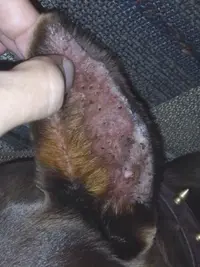
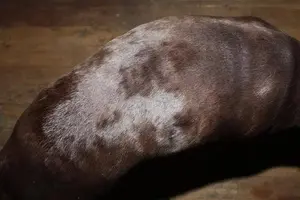
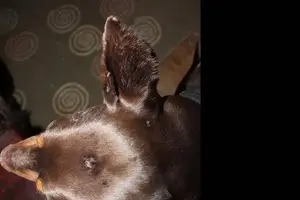
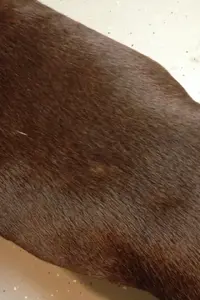
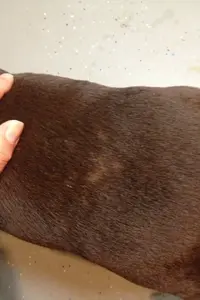
Pemphigus disorders cause scaling of the skin, scabs, and pustules with crusting. Early on, lesions are often limited to the
head, including the skin near the ears and mouth, and the feet, including the planum and nailbed. As the diseases progress, lesions spread to other parts of the body and blisters form. Blisters in pemphigus can rupture easily, leaving a generalized crusting, and may be hard to detect.
The nose in pemphigus is also susceptible to pigment loss, similar to the changes seen in canine lupus. Other symptoms include
fever and loss of appetite. When the
foot pads are affected, difficulty in walking may be observed.
Diagnosis
A physical examination reveals the presence of blistering eruptions in pemphigoid disorders. The presence of mouth lesions is highly suggestive of pemphigus. A biopsy of the lesion is necessary for a definitive diagnosis of the subtype.
It’s important to determine the subtype present to determine the prognosis and optimal course of treatment. It’s also important to differentiate pemphigus from discoid lupus erythematosus. Immunohistochemical or direct immunofluorescent testing may also be used to determine desmoglein distribution. An altered distribution is seen in some cases of pemphigus foliaceus.
Blood tests for desmoglein and anti-plakin antibodies can also be used to help diagnose pemphigus.
Treatment
Most cases of pemphigus require the lifelong use of oral corticosteroids, such as prednisone and prednisolone, along with immunosuppressant medications such as azathioprine. Topical corticosteroids and tacrolimus are also used. In cats, chloramphenicol is used in place of azathioprine. After the symptoms are brought into control, the starting dosage can usually be lowered. Because these medications can cause serious side effects, the lowest dose needed to keep symptoms in control is used.
There have been reports of improvement noted with dietary changes, including a raw foods diet. Because sunburn can exacerbate symptoms, sun should be avoided and canine sun blocks are recommended.
Source:
https://suite101.com/a/canine-pemphigus-a66098



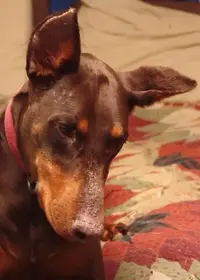


 worried in general.