
strykerdobe
Hot Topics Subscriber
Be Aware, This Human Medication Could Kill Your Pet
Analysis by Dr. Karen Shaw BeckerNovember 20, 2022
STORY AT-A-GLANCE
- Fluorouracil is a human medication that’s particularly toxic to dogs and cats
- Also known as Carac, Efudex, 5-FU and Fluoroplex, this drug is prescribed to treat certain skin cancers in humans, including superficial basal and squamous cell carcinomas, as well as other skin conditions
- Ingesting even a tiny amount of the drug, such as by licking your skin after the drug has been topically applied, or puncturing the tube with its teeth, can be deadly to dogs
- The U.S. Food and Drug Administration (FDA) has received reports of 20 dogs that were exposed to fluorouracil; sadly, all of them died
- If your pet ingests any amount of fluorouracil, emergency veterinary care is essential; deaths can occur within as few as six to 12 hours after exposure, so minutes matter
- Actinic or solar keratoses
- Vitiligo
- Warts
Twenty Dogs Died From Fluorouracil Ingestion
According to the Pet Poison Helpline, while the intravenous form of fluorouracil, a chemotherapy drug, can be used in dogs safely, the topical version can be deadly in even tiny amounts. The medication is rapidly absorbed from the gastrointestinal tract, leading to symptoms such as vomiting and diarrhea that can begin within 30 minutes to six hours of ingestion.2Central nervous system symptoms, such as tremors and seizures, can also occur, along with bone marrow suppression. Common signs and symptoms of fluorouracil poisoning include:3
| Vomiting, sometimes with blood | Seizures | Tremors/shaking |
| Difficulty breathing | Lethargy (decreased activity) | Drooling |
| Diarrhea (with or without blood) | Incoordination (being off-balance) |
“In one case, two dogs began playing with a tube of fluorouracil and one bit and punctured the tube before the owner could retrieve it. Within 2 hours, the dog that punctured the tube began vomiting and having seizures. The dog died 12 hours later.
While the FDA hasn’t received any reports of cats being poisoned by fluorouracil, the Pet Poison Helpline explains, “The prognosis with 5-FU ingestion is grave in cats and guarded in dogs.”5In another case, a dog found his owner’s tube of fluorouracil and ate the contents. When the owner realized the dog had ingested the medicine, the owner rushed him to the veterinarian. The veterinarian treated the dog for several days, but unfortunately, his health worsened, and he was eventually put to sleep.”
Don’t Let Your Pet Lick Your Skin if You Use Fluorouracil
Pets can be exposed to fluorouracil not only be getting ahold of a tube of the medication but also by licking your skin if the medication has recently been applied. Due to the deadly nature of this drug to pets, the FDA asked makers of topical fluorouracil products to add a warning to the labeling. According to the FDA:6“Many pet owners, health care providers, including dermatologists and pharmacists, and even veterinarians may be unaware of how deadly fluorouracil is to animals. Because of this, FDA asked makers of fluorouracil topical products to add new wording to the product labels that warn users about the danger to pets.
If your pet ingests any amount of fluorouracil, emergency veterinary care is essential. Deaths can occur within as few as six to 12 hours after exposure, so minutes matter. Let the veterinarian know that your pet had fluorouracil exposure.For example, the new wording states, ‘May be fatal if your pet licks or ingests. Avoid allowing pets to contact this tube or your skin where fluorouracil has been applied. Store and dispose out of reach of pets.’”
Keep Your Pet Safe From Fluorouracil
Patients often rub fluorouracil cream into areas of their skin, often on the cheeks, forehead and scalp, and leave it there to absorb into the skin. Treatment may be for a short period or could extend for weeks at a time. In addition to ensuring that the tube of medication is kept in a secure location out of reach of your pets, be sure that no residue is left on clothing, carpets, floors or furniture that your pet could access.7Be sure to wash your hands after applying the medication and do not allow your dog to lick any areas of your skin where the drug has been applied. To be safe, you may want to avoid any contact with your dog until the medication is thoroughly absorbed into your skin. It’s also important to not rely on the tube to keep your pet out of harm’s way.
Dogs can easily chew through medication packaging — even plastic bottles. So instead of storing medications on a nightstand or setting them out on your kitchen counter, keep them in a cabinet out of your pet’s reach and/or one that’s impossible for him to open.
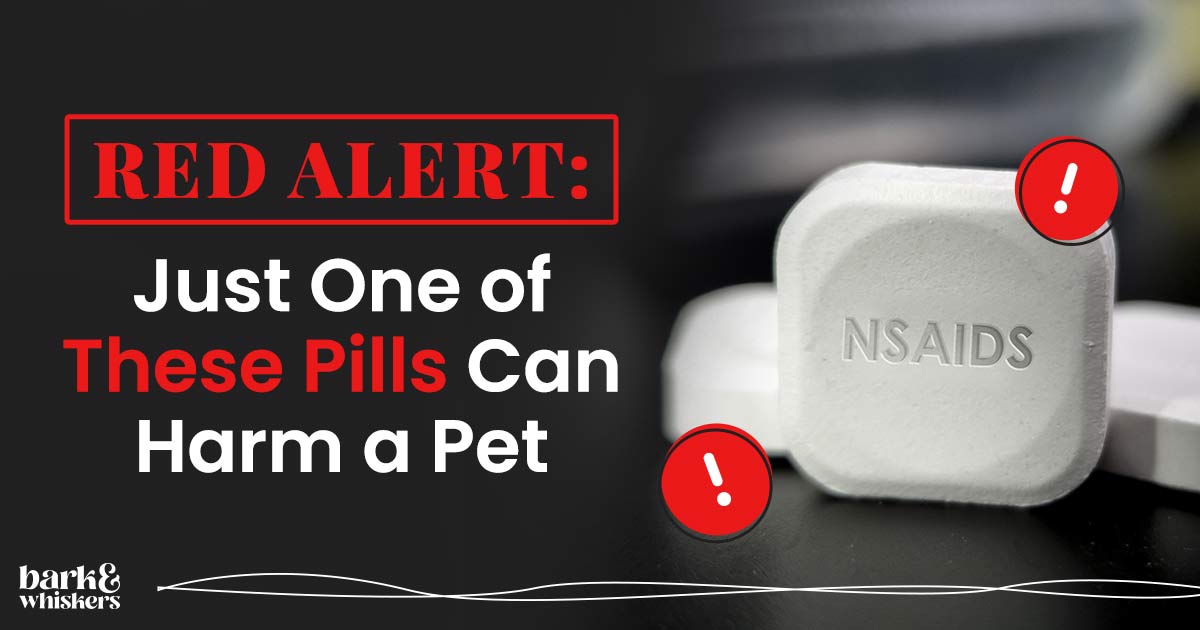
Remember, too, that while fluorouracil is especially toxic to animals, it’s only one example of a human drug that can harm your pets. Close to 50% of calls to the Pet Poison Helpline involve over-the-counter and prescription medications for humans. The top 10 medication poisons for pets to be aware of include:8
| Nonsteroidal anti-inflammatories (NSAIDs), such as Advil, Aleve and Motrin | Acetaminophen (i.e., Tylenol) |
| Antidepressants | ADD/ADHD medications, such as Concerta, Adderall and Ritalin |
| Benzodiazepines and sleep aids, such as Xanax, Klonopin, Ambien and Lunesta) | Birth control pills |
| ACE inhibitors for high blood pressure | Beta-blockers |
| Thyroid hormones | Cholesterol-lowering drugs, such as Lipitor, Zocor and Crestor |
Sources and References