

You are using an out of date browser. It may not display this or other websites correctly.
You should upgrade or use an alternative browser.
You should upgrade or use an alternative browser.
Doberman coat care
- Thread starter Ddski5
- Start date

remy
Active Member
Remy gets a lot of complements on his shiny coat, but I’d say it is mostly genetic!
These are the products I’ve been using for the past few months:
•Bio-Groom Indulge Argan Oil Shampoo - diluted in a mixing bottle. I wash with this twice. I was curious about this brand, so I asked the company which line they recommended for a Doberman and they suggested the Argan Oil products.
•Nature’s Specialities Truly Hypo Conditioner - slightly diluted in a mixing bottle, and I let it sit on for a few minutes. There is a matching conditioner for the shampoo, but I already had this one.
•Chris Christensen Silk Spirits Liquid Protein - So far I’ve only used this when he’s showing. I partially towel dry, then take a small amount between my hands and quickly rub my hands over his coat to apply. It’s essentially an oil that adds a little extra shine.
Brushes & other products:
•Best Shot Ultra Vitalizing Mist - Someone recommended this to me as a brushing aid. I spray some on before using the de-shedding brush.
•Kong Zoom Groom - I only use this during a bath. It helps to massage the shampoo in, but I don’t think it really helps de-shed any more than my hands do lol.
•Sleek EZ - I only use this de-shedding brush once or twice a month. I know a lot of other Doberman owners who use this, but I’ve also heard it could cut healthy hairs which is why I don’t use it much.
•Chris Christensen Ionic Boar Bristle Brush - I get the most use out of this one. It won’t help much if you’re looking to de-shed, but it helps lift any dirt or dander out of the coat and is supposed to add some shine.
•Wahl Arco Clippers - I use these to trim up his ears and tail semi-regularly and other areas when he shows. I think the mini version would be better for ears though.
•Dremel Lite 7760 N - Currently I use the bit it came with, but I plan to get a diamond bit eventually.
•Mixing / Dilution Bottles
I don’t personally use any of these products, but I know of other Doberman show people who do:
•Chris Christensen Black on Black Shampoo - this is supposed to be good if the dog’s coat has any sun bleaching (makes them look reddish). There is also a version for red dogs.
•Chris Christensen Shine for Sure Spray
This is probably a lot more than you asked for haha! There are so many different products, so I’m sure others recommendations may be totally different things! Cherrybrook is a good website to get grooming supplies, but many of them are available on Amazon too.

That's a good share of it and our dogs don't spend a lot of time in the sun to wash it out.I know a lot of it has to do with quality and what you feed your Doberman
I almost never give them a real bath but I have some oatmeal or lavendar waterless shampoo I use on them. I think the brand I have is Whal's but Burt's Bees and a few others have it as well.
I also have a can of the ORS olive oil shine spray but it smells really strong. https://www.walgreens.com/store/c/o...5RsKOcM3oDQ0UQKMsfDk32v78lbFINOYaAjASEALw_wcB

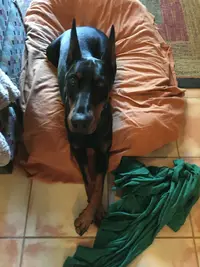
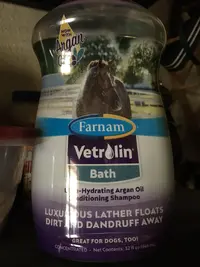
I don't show conformation but I get so many compliments on Ashas shiny coat. I think genes rule on this, as I do little to nothing to enhance her coat. I only bathe her with shampoo every 6 - 8 weeks, all those dirty photos I post of her? I wipe down with water and a wash cloth. I almost never brush her. I had horse shampoo left in the barn from before my horse died. It stated "good for dogs" so that's what I used. When it ran out I just got more of the same.
Attachments

Rits
Hot Topics Subscriber
Good food, and a good bath once a month or so is generally all you need. Since I do bathe mine before show, if your dobermans are active outside at all, it is amazing how much dirt comes off when you give them a bath even after only a few weeks. I always considered Ripley clean looking and smelling and then I'm surprised when I decide to give her a bath and the water is tinged grey  so ya, since she sleeps with us and the others are allowed on the couch... baths are a must!
I use Nature's Specialties Plum Silky Plum Silky® Shampoo for Dogs & Cats
or their Vanta Black Night during the summer VantaBlack Night® Shampoo for Dogs & Cats
Followed up with Mane N Tail Ultimate Gloss Conditioner (leave on for 10 min) Amazon.com This conditioner does the trick to make them look SUPER that I don't need to spray anything on them day of show but @remy recommendations for the silk spray or show sheen (horse product) are generally whats used to touch up if needed.
Brushing - about once a month I use a pumice stone for any dead hairs then I'll use a soft bristle brush (small horse brush intended for face) all over in between. With quick short sweeps this will help get dirt out and long brushing strokes will spread the natural oils throughout.
so ya, since she sleeps with us and the others are allowed on the couch... baths are a must!I use Nature's Specialties Plum Silky Plum Silky® Shampoo for Dogs & Cats
or their Vanta Black Night during the summer VantaBlack Night® Shampoo for Dogs & Cats
Followed up with Mane N Tail Ultimate Gloss Conditioner (leave on for 10 min) Amazon.com This conditioner does the trick to make them look SUPER that I don't need to spray anything on them day of show but @remy recommendations for the silk spray or show sheen (horse product) are generally whats used to touch up if needed.
Brushing - about once a month I use a pumice stone for any dead hairs then I'll use a soft bristle brush (small horse brush intended for face) all over in between. With quick short sweeps this will help get dirt out and long brushing strokes will spread the natural oils throughout.
remy
Active Member
Right?! I give Remy a bath about once a month, and always before a trip, so sometimes it’s more than that. It’s amazing how much dirt comes off even though it hasn’t been long since the last bath.if your dobermans are active outside at all, it is amazing how much dirt comes off when you give them a bath even after only a few weeks. I'm surprised when I decide to give her a bath and the water is tinged grey
Any one in particular? I’ve heard this before but wasn’t sure and I wanted to try it out.I use a pumice stone for any dead hairs
Rits
Hot Topics Subscriber
I got this one from Tractor supply but I'm sure any would work well. I like the shape of this one, easy to hold in your hand.Any one in particular?
remy
Active Member
Thanks!I got this one from Tractor supply but I'm sure any would work well. I like the shape of this one, easy to hold in your hand.
While we’re on the topic of grooming, do you do anything in between shows? Remy is showing for 4 days straight next month and I wasn’t sure if I should bathe him halfway through? Just touch up with certain products if needed?

Kaiser2016
Well-Known Member
We don’t show, but sardines once a week are amazing for that extra shine! Raw eggs 3x a week.
I use a microfibre cloth to wipe him down at home and baby wipes when we’re outside for the day.
A horse brush to keep the shedding down.
For baths once a quarter, I use Mane n Tail Shampoo with ACV mixed in. That enables his feet to stay yeast free because I pool the water just enough in the tub to soak them. I use a zoom groom brush to reach the skin and yes the water is so filthy by the end. I rinse extra, no conditioner.
Rits
Hot Topics Subscriber
Nope, I typically don't. Only if they got into something for some reason. Just a simple wipe down with a damp cloth and brush in your show sheen spray to refresh if needed.Thanks!
While we’re on the topic of grooming, do you do anything in between shows? Remy is showing for 4 days straight next month and I wasn’t sure if I should bathe him halfway through? Just touch up with certain products if needed?
I'm curious if you need to bathe them after being in a pool with chlorine in it? I would guess you do or it could dull the coat and your dogs coats always look shiny.I typically don't. Only if they got into something for some reason.
Rits
Hot Topics Subscriber
Yes, I do and would for the reason you mention. Chlorine can mess with the skin's pH but more importantly getting wet can encourage bacterial or fungal growth with their wet fur so I use a medicated shampoo (Malaseb) after pool swims to help reset their skin.I'm curious if you need to bathe them after being in a pool with chlorine in it? I would guess you do or it could dull the coat and your dogs coats always look shiny.

Cferg
Notable member
Stassi swims in our pool most days 4-5 months a year. I don’t rinse her off afterwards just dry her with a towel. Her coat and skin looks as good as it always does. It actually clears up her elbows that grow bacteria from laying on the dirty shop floor at work.I'm curious if you need to bathe them after being in a pool with chlorine in it? I would guess you do or it could dull the coat and your dogs coats always look shiny.
I’ll admit though that her coat and skin health could largely be genetic.

UnitySpirit64
Jr Member
raw eggs can equal salmonella vets frown on that It is not recommended to feed your dog raw eggs. Many veterinarians advise against it, the American Kennel Club reports. According to PetMD, "there is no nutritional benefit in feeding raw eggs to dogs." There are more concerns associated with feeding your dog raw eggs.Feb 16, 2024We don’t show, but sardines once a week are amazing for that extra shine! Raw eggs 3x a week.
I use a microfibre cloth to wipe him down at home and baby wipes when we’re outside for the day.
A horse brush to keep the shedding down.
For baths once a quarter, I use Mane n Tail Shampoo with ACV mixed in. That enables his feet to stay yeast free because I pool the water just enough in the tub to soak them. I use a zoom groom brush to reach the skin and yes the water is so filthy by the end. I rinse extra, no conditioner.
Kaiser2016
Well-Known Member
A lot of vets aren't trained in nutrition so they are overly cautious about feeding anything raw. The salmonella risk is more for us humans, but it is just like making chicken dinner for your family. If you don't wash your hands properly, you can get sick from it, but that risk doesn't stop anyone from eating chicken. We don't 'kiss' Kaiser either so there is no risk to us. He has been on a fully raw diet since he was just over 6 months old and he is now 8 years old. He has his own bowls/containers and his own freezer to keep his stuff away from ours. His vets are holistic and they are all ok with his diet too. Raw chicken feet, raw eggs, raw meat, all of it. This link here does a good job of explaining how dogs can eat raw food and not get sick. Salmonella & Raw Feeding Safety Guidelineraw eggs can equal salmonella vets frown on that It is not recommended to feed your dog raw eggs. Many veterinarians advise against it, the American Kennel Club reports. According to PetMD, "there is no nutritional benefit in feeding raw eggs to dogs." There are more concerns associated with feeding your dog raw eggs.Feb 16, 2024

and it looks to me like Kaiser is a STRONG 8 years old. I see him exploring new environments a lot, as my 3 year old would.The salmonella risk is more for us humans, but it is just like making chicken dinner for your family. If you don't wash your hands properly, you can get sick from it, but that risk doesn't stop anyone from eating chicken. We don't 'kiss' Kaiser either so there is no risk to us. He has been on a fully raw diet since he was just over 6 months old and he is now 8 years old.

Back to bathing....I take my dogs walking in all weather; so in heavy rain, that is the best bath  Otherwise, they get a bath only a few times a year.
I can't say I have really seen a doberman with a dull coat....not including shelter dogs ...of course the show dogs really gleen; I feel in general it's genetic. Here is Falcon practicing his sit stay for the Nationals!

Otherwise, they get a bath only a few times a year.I can't say I have really seen a doberman with a dull coat....not including shelter dogs
...of course the show dogs really gleen; I feel in general it's genetic. Here is Falcon practicing his sit stay for the Nationals!
Good stuff! Ty!A lot of vets aren't trained in nutrition so they are overly cautious about feeding anything raw. The salmonella risk is more for us humans, but it is just like making chicken dinner for your family. If you don't wash your hands properly, you can get sick from it, but that risk doesn't stop anyone from eating chicken. We don't 'kiss' Kaiser either so there is no risk to us. He has been on a fully raw diet since he was just over 6 months old and he is now 8 years old. He has his own bowls/containers and his own freezer to keep his stuff away from ours. His vets are holistic and they are all ok with his diet too. Raw chicken feet, raw eggs, raw meat, all of it. This link here does a good job of explaining how dogs can eat raw food and not get sick. Salmonella & Raw Feeding Safety Guideline
I learn something new here every day!
"Pet parents often observe these factors at work when their pet remains healthy regardless of the pet’s dietary indiscretions, such as consuming feces or rotten carcasses.
Stomach pH
The hydrochloric acid in a dog’s and cat’s stomach has a pH level of 1 to 2. Salmonella can only survive in a pH range of 3.8 to 9.5. The acidity of a dog’s and cat’s stomach is a protective measure against ingested pathogens and is not conducive to the growth of Salmonella.Digestive Tract
The average amount of time it takes a dog to fully digest and eliminate waste is 6 to 8 hours. A cat’s digestive tract is even shorter! The incubation period of Salmonella is 8 to 72 hours. Within this time, the dog or cat has completed the digestive process and any remaining Salmonella that may have survived digestion is passed in the feces."
Whoa! going to Nationals, what fun! Looking forward to seeing pictures and stories. He is looking terrific!Here is Falcon practicing his sit stay for the Nationals!
Yup. I've fed my dog raw eggs and raw everything else. Dogs by nature are made to eat raw. Humans, just wash your hands after preparing the dogs meal (or making your own hamburger patties etc.), that's the only precaution.Stomach pH
The hydrochloric acid in a dog’s and cat’s stomach has a pH level of 1 to 2. Salmonella can only survive in a pH range of 3.8 to 9.5. The acidity of a dog’s and cat’s stomach is a protective measure against ingested pathogens and is not conducive to the growth of Salmonella.
Digestive Tract
The average amount of time it takes a dog to fully digest and eliminate waste is 6 to 8 hours. A cat’s digestive tract is even shorter! The incubation period of Salmonella is 8 to 72 hours. Within this time, the dog or cat has completed the digestive process and any remaining Salmonella that may have survived digestion is passed in the feces."
Similar threads


- Replies
- 23
- Views
- 743
