Doberman Gang
Hot Topics Subscriber
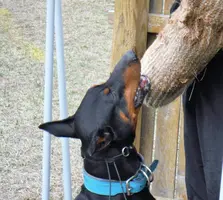
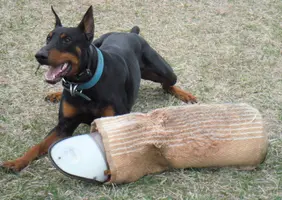
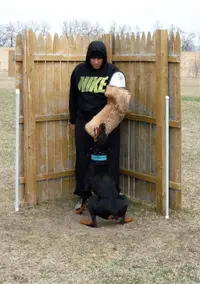
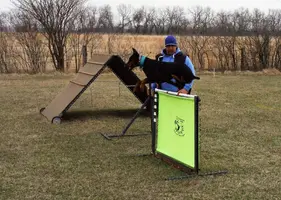
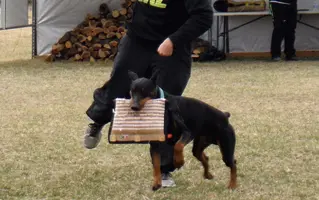
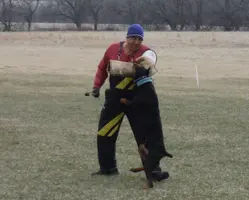
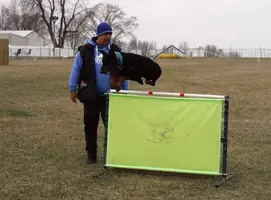
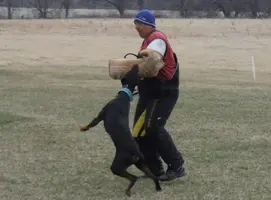
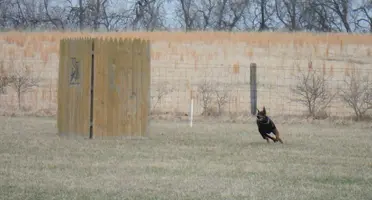
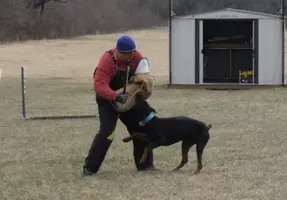
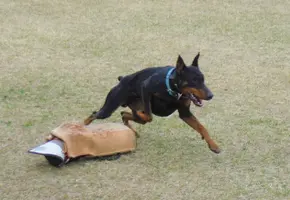 Here are some pictures of Blaze from training.

Here are some pictures of Blaze from training.
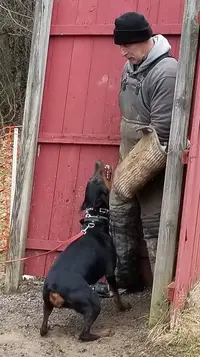
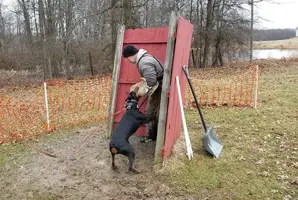
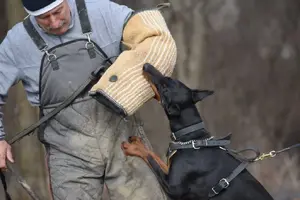
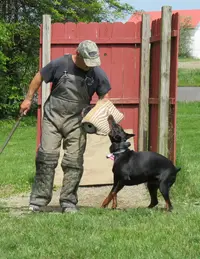
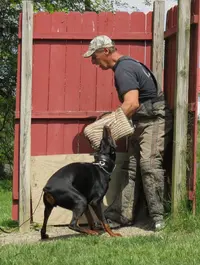

Zara is doing amazing too. Wow
How old is she now?
Geez, where the heck does the time go, they grow up sooo fast. She has really excelled in such a short time!She will be 2yr old on March 28! Time goes so fast!!!!!!!!!!!!

It is best to only have a helper work your dog. I have different people in my club stand in the blind so the dog doesn’t see it as just a game with me. It has to be serious, I do give long bites to my own dogs, if there is not a qualified helper at training. I also take my dogs to other clubs for work. It is counter productive to work the dog in obedience and then have them bite you and then ask them to out and be obedient again. You are better off to just play tug with your dog and work on outs, barking etc...Question here for you guys doing your own training, I was always taught to not let the dog practice bites on the owner. I’ve noticed others do and some don’t when training. I only have experience with one side of this and am curious about the other, as I feel it would make something’s easier on me.(good decoys are hard to find and even harder schedule as they’re usually busy).
Do you guys feel it makes a difference or is it a matter of training technic
Tracking is still obedience, if he knows how to track I would correct him every time his head comes up. Praise and mark with good when his nose is down and eating a piece of food, this is marking and rewarding the proper behavior. Shorten up tracks and add more rewards to have short successful tracks.If I can’t get our normal helper I work on something else that day I’ve never allowed my own to bite me but have seen it done and was curious. I know what I was taught but there’s not many people that do bite work in my area so not many different styles of training around here. The internet is hard to filter threw on this subject and I prefer speaking with others that have real hands on knowledge. we have always worked with multiple helpers,ignoring and switching targets, to try to help not make a habit of him wanting to bite only the one helper and it being a game. we have a long way and a lot of training left, we are very much in the beginning stages, and the sleeve is starting to be introduced more good there really. He does have a hard time getting his nose down in tracking he wants to search more then track if that makes sense.
Maybe hold back feeding the night before and morning of training to build motivation.@Doberman Gang I will shorten up his tracks and give it a shot. He hasn’t been tracking long but he also has picked up on just about everything else pretty quick and it seems like little to light progress with tracking. Everything else was taught with toy motivation basically also, he’s never been one to be extremely food motivated like he is for a toy and we teach tracking with a step,treat, marker-flag procedure.