
-
Disclaimer: Hello Guest, Doberman Chat Forums presents the opinions and material on these pages as a service to its membership and to the general public but does not endorse those materials, nor does it guarantee the accuracy of any opinions or information contained therein. The opinions expressed in the materials are strictly the opinion of the writer and do not represent the opinion of, nor are they endorsed by, Doberman Chat Forums. Health and medical articles are intended as an aid to those seeking health information and are not intended to replace the informed opinion of a qualified Veterinarian.”
- Doberman Specific Health, Training and Well-being.
- Doberman Nutritional Care
- Raw & Home Cooked Diets
You are using an out of date browser. It may not display this or other websites correctly.
You should upgrade or use an alternative browser.
You should upgrade or use an alternative browser.
Question - prepared raw diet
- Thread starter Gpcoguy
- Start date


Looking at the reviews it is VERY highly rated. Looking at the price it is just as expensive. If you are willing to pay that price I say go for it.
@strykerdobe has a few book recommendations that will help you feed raw much more reasonably. Once you learn a few things it's really not hard and much healthier. Look for a co-op in your area and that will help tremendously with the cost.
@strykerdobe has a few book recommendations that will help you feed raw much more reasonably. Once you learn a few things it's really not hard and much healthier. Look for a co-op in your area and that will help tremendously with the cost.

LifeofRubie
Moderator
We've not used Ollie but I do use BARF land and see patties. We get one case a month and supplement the dogs meals with it instead of feeding it 100%. If I fed JUST the patties, we'd be spending $600/month on food probably.
EDIT: Ollie does say it's cooked a little bit so it wouldn't be a true raw diet, me thinks.
To do RAW cheaply (cheaper), it's really best to source the proteins, organs, and liver yourself BUT as you've discovered, it can be quite complicated to do correctly.
Either way, do you have a lot of free freezer space? That's the other challenge with RAW!!

strykerdobe
Hot Topics Subscriber
@Gpcoguy
At first it seems overwhelming! But it gets easier. If you can do premade at first (but expensive) while you are do some reading is good. Lots of great Facebook sites on feeding Raw.
A rotational raw diet is best with different meat proteins. Also Bones and Organs are a must. You can't just feed meat. The rotational diet different meat proteins have different levels of vitamins and other nutrients. But a Raw diet doesn't need to be balanced every day. But over 3-4 days is good.
Ollie is Lightly cooked! Any time food is cooked (with Heat) even at home it will loose some vitamins, amino acids, enzymes and other nutritional things.
But lightly cooked would be a good thing. I always tell people if they want to cook some of the Raw Only over a very low heat!
I do like this Book by Dr. Karen Becker.
This one is based on the ancestral diets of dogs and cats, this book provides a rotation plan and recipes for a meat-based diet that includes appropriate levels of vegetables, fruits and supplements to complete the diet, analyzed to make sure that nutrition needs are met.

This one is
Just say NO to grains
Feed your dogs and cats the way Mother Nature intended by eliminating grains and feeding them a BARF, Biologically Appropriate Raw Food, diet. Australian veterinarian, Dr. Ian Billinghurst, long-time champion and international lecturer on the benefits and how-to of feeding raw foods to pets, explains in simple, understandable terms why and how to feed your animals for optimum health. Learn how to create simple, home-prepared meals that mimic the diet of your pets wild ancestors. You will no longer have to rely on mass-produced, often grain-based commercial foods that can compromise your pet s energy, health, even longevity.

The definitive guide to feeding your dog a balanced and nutritious raw and home-cooked diet, from the founder of a natural pets product company with over thirty years of experience working with dogs.
Many people want to prepare their dog's meals at home, but feel it is too complex. Raw and Natural Nutrition for Dogs provides a road map to the essentials of canine nutrition, written in easy-to-understand language.

4% of the pet lover population feed their dog or cat a raw food diet because it's species appropriate. Kimberly Gauthier, Dog Nutrition Blogger for Keep the Tail Wagging®, is sharing her experience as a raw feeder, including how feeding a species appropriate diet to her dogs cured allergies, digestive issues, joint issues, chronic ear infections, yeast infections, some behavior issues, and more.Five years ago, a veterinarian told Kimberly that one of her dogs, Rodrigo, would live a short life. Today, Rodrigo is a happy, active, healthy dog and his health issues are in the past. Rodrigo used to go to the vet every other month, today, he goes annually for a check up. Imagine the money saved. Kimberly is raising four

Ancestors and canine cousins of our dogs didn’t eat “krunchy kibble” or “meat ‘n gravy in a can.” They ate what they found or caught... and it wasn’t cooked or “enriched” either! It was high in protein, with balanced fats, and usually included a few fruits, vegetables and grasses. Steve Brown, an expert on canine nutrition, shows how you can bring the benefits of the canine ancestral diet to your dog by feeding him differently as little as just one day a week. And no, you won’t need to lead a pack of dogs on a hunting expedition! Just follow Steve’s well-researched and easy to follow ABCs to make improvements to whatever your dog currently eats. BONUS! Raw food or home prepared feeders will learn how to balance nutrients more precisely, especially fats, for optimum health.A dog diet to get wild about!-Learn about the latest research on the importance of protein and healthy fats in your dog’s diet.-Find out why commercial foods can’t include these fragile-but-crucial nutrients, and how you can make sure your dog gets them.-Just one day a week, or more frequently if you choose, follow the simple recipes that balance the nutrition in the commercial food you are feeding—wet or dry!


Scratching, itching, vomiting, diarrhea, yeast-filled ears and paws...these are the problems plaguing today's modern dog. The common culprit? An inappropriate diet. The solution? A species appropriate diet of fresh foods.
In this book you will learn
At first it seems overwhelming! But it gets easier. If you can do premade at first (but expensive) while you are do some reading is good. Lots of great Facebook sites on feeding Raw.
A rotational raw diet is best with different meat proteins. Also Bones and Organs are a must. You can't just feed meat. The rotational diet different meat proteins have different levels of vitamins and other nutrients. But a Raw diet doesn't need to be balanced every day. But over 3-4 days is good.
Ollie is Lightly cooked! Any time food is cooked (with Heat) even at home it will loose some vitamins, amino acids, enzymes and other nutritional things.
But lightly cooked would be a good thing. I always tell people if they want to cook some of the Raw Only over a very low heat!
I do like this Book by Dr. Karen Becker.
This one is based on the ancestral diets of dogs and cats, this book provides a rotation plan and recipes for a meat-based diet that includes appropriate levels of vegetables, fruits and supplements to complete the diet, analyzed to make sure that nutrition needs are met.
This one is
Just say NO to grains
Feed your dogs and cats the way Mother Nature intended by eliminating grains and feeding them a BARF, Biologically Appropriate Raw Food, diet. Australian veterinarian, Dr. Ian Billinghurst, long-time champion and international lecturer on the benefits and how-to of feeding raw foods to pets, explains in simple, understandable terms why and how to feed your animals for optimum health. Learn how to create simple, home-prepared meals that mimic the diet of your pets wild ancestors. You will no longer have to rely on mass-produced, often grain-based commercial foods that can compromise your pet s energy, health, even longevity.
The definitive guide to feeding your dog a balanced and nutritious raw and home-cooked diet, from the founder of a natural pets product company with over thirty years of experience working with dogs.
Many people want to prepare their dog's meals at home, but feel it is too complex. Raw and Natural Nutrition for Dogs provides a road map to the essentials of canine nutrition, written in easy-to-understand language.
4% of the pet lover population feed their dog or cat a raw food diet because it's species appropriate. Kimberly Gauthier, Dog Nutrition Blogger for Keep the Tail Wagging®, is sharing her experience as a raw feeder, including how feeding a species appropriate diet to her dogs cured allergies, digestive issues, joint issues, chronic ear infections, yeast infections, some behavior issues, and more.Five years ago, a veterinarian told Kimberly that one of her dogs, Rodrigo, would live a short life. Today, Rodrigo is a happy, active, healthy dog and his health issues are in the past. Rodrigo used to go to the vet every other month, today, he goes annually for a check up. Imagine the money saved. Kimberly is raising four
Ancestors and canine cousins of our dogs didn’t eat “krunchy kibble” or “meat ‘n gravy in a can.” They ate what they found or caught... and it wasn’t cooked or “enriched” either! It was high in protein, with balanced fats, and usually included a few fruits, vegetables and grasses. Steve Brown, an expert on canine nutrition, shows how you can bring the benefits of the canine ancestral diet to your dog by feeding him differently as little as just one day a week. And no, you won’t need to lead a pack of dogs on a hunting expedition! Just follow Steve’s well-researched and easy to follow ABCs to make improvements to whatever your dog currently eats. BONUS! Raw food or home prepared feeders will learn how to balance nutrients more precisely, especially fats, for optimum health.A dog diet to get wild about!-Learn about the latest research on the importance of protein and healthy fats in your dog’s diet.-Find out why commercial foods can’t include these fragile-but-crucial nutrients, and how you can make sure your dog gets them.-Just one day a week, or more frequently if you choose, follow the simple recipes that balance the nutrition in the commercial food you are feeding—wet or dry!
Scratching, itching, vomiting, diarrhea, yeast-filled ears and paws...these are the problems plaguing today's modern dog. The common culprit? An inappropriate diet. The solution? A species appropriate diet of fresh foods.
In this book you will learn
- How to transition your dog to a fresh food diet
- How to prepare fresh food meals
- How to safely feed raw meaty bones
- Sanitary practices to prevent illness
- Important fresh food information
Last edited:
strykerdobe
Hot Topics Subscriber
Wow! That's a lot! Hadnt thought about freezer space either, thanks for the heads up.
Yes freezer space is very important! Which ever one you decide on get the next larger one!!!
And depending on where you live look for Raw Feeding Co-op near you.
When looking at pre-made with from some companies ask if any of the meat in anyway is Denatured! Some will use Charcoal or dyes! Also some companies use HPP to kill bacteria.

How to Choose the Right Raw Feeding Model
Choosing the correct raw feeding model for your dog can be complicated with all the information available - learn the pros and cons and start with the one that is a good fit today.
 keepthetailwagging.com
strykerdobe
Hot Topics Subscriber
Thanks
There are other Raw feeders on here also.
Any questions just ask.

I know many are against it, but I've fed both traditional and raw since I got my puppy. Breakfast is combo of soaked kibble and Fresh Pet (roll of refrigerated dog food) Dinner is my home prepared raw Frankinmeal. Beef/turkey/beef heart/ with bone being either chicken feet or turkey neck and plus beef or chicken liver. A little chopped French green beans (canned, no salt) a spoon of pure pumpkin. I do this all in a few hours, pack it in freezer containers and then it's just thaw & feed. I feed a can of sardines in water once a week. And a fresh egg (from my own chickens) shell & all, at least 4 x a week. She gets a raw beef rib bone a couple of days a week. I have found they're cheaper than bully sticks - a slab of ribs with 7 - 8 bones is about $14, so $2 per bone. The meat is gone in no time, but she'll gnaw the bone for several days. A bully stick is $10 and lasts only an hour or so.

Kaiser2016
Well-Known Member
Nothing beats the convenience of premade raw and I have noticed that there are many price points. I sampled Primal at one point and it was too expensive to feed at that price, but wow was the quality good! Kaiser had the smallest poops when he ate Primal Venison but the energy from the venison made him super crazy so I never fed that protein again 
The prices may be different where you are, so maybe start with something you can find at your favorite local shop and experiment from there. The key for me is being able to buy in bulk. Some brands don't even have a 25 or 50 lb box option, so I won't even consider them. Also, different proteins cost different amounts so you can control the expense a bit that way too. Other options include buying a big log/chub instead of the pre-sliced portions. Then if you will be buying specifically from that shop, you can negotiate a better deal - you can't do that with a major store like Pet Smart and I also found that they don't carry as many raw options.
The prices may be different where you are, so maybe start with something you can find at your favorite local shop and experiment from there. The key for me is being able to buy in bulk. Some brands don't even have a 25 or 50 lb box option, so I won't even consider them. Also, different proteins cost different amounts so you can control the expense a bit that way too. Other options include buying a big log/chub instead of the pre-sliced portions. Then if you will be buying specifically from that shop, you can negotiate a better deal - you can't do that with a major store like Pet Smart and I also found that they don't carry as many raw options.
strykerdobe
Hot Topics Subscriber
A very very good Raw company and food is Answers Pet Food. They have a search for finding retailers around you.
We don't feed it. But we do use their Raw Goats Milk, Fermented Raw Kefir and Fermented Fish Stock.

 www.answerspetfood.com
Answers TM Pet Food is a nutrient-dense line of fermented raw wholefoods specifically formulated by a nutritional scientist to find the most species-appropriate diet for pets of all ages. We use whole cuts of organic and pasture-raised meat, organs and bone, and offer superfoods to give your pets optimal nourishment. We are veterinarian used and recommended.
We don't feed it. But we do use their Raw Goats Milk, Fermented Raw Kefir and Fermented Fish Stock.
Answers Pet Food
Answers Pet Food | Integrating Raw Feeding and Science™
Answers Pet Food Offers Premium Raw, Nutrient-dense Diets for Dogs and Cats | Complete and Balanced Raw Formulas, Raw Milks, Fermented Bone Broths, Raw Treats.
www.answerspetfood.com
- Estimated Reading Time: 1 min
Find Retailers
© 2017-2021 Answers Pet Food. All Rights Reserved. Facebook; Twitter; Instagram; …Feeding Calculator
The following results apply only to Answers Pet Food and are based on daily feeding …Products
Along with having the highest standards in …
Additional FormulaDetailed Formula
Answers Detailed formula provides a superior, wholesome, balanced diet of only the …About
From farm to bowl: this is how Answers Pet …
News Media · Why FermentationHeartland Pet Store
Address: 3711 Pearl Road Medina OH 44256 Phone: 330-461-9063 Email: …Straight Formula
Answers Straight formula is ideal for pet owners that are looking for a limited …Where to Buy
Start here with Answers Pet Food. Answers Pet Food. FIND US. 356 Maidencreek Rd. …Contact Us
This field is for validation purposes and should be left unchanged. Answers Pet Food. FIND …Rewards Treats
Raw goat cheese (raw goat milk, dried Lactococcus lactis subsp. lactis …

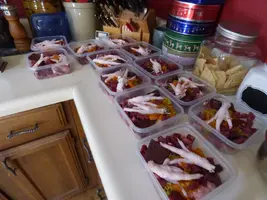
Chicken feet actually, at Walmart. Not a popular thing in this area, but they usually have them. Chicken is now the newest thing on shortage, so they are not always in stock. Asha loves them. Some of the pet stores have them dehydrated, but I think the fresh ones would have way more nutrition.
Similar threads

- Replies
- 5
- Views
- 600


- Replies
- 24
- Views
- 2K


- Replies
- 37
- Views
- 4K