Dobs4ever
Hot Topics Subscriber
May 31, 2012
Egg Legislation Replaces Science with Politics
For more information on Newsline, contact: Johnna Miller, Director of Media Development, American Farm Bureau Federation [email protected]
Who should decide the appropriate size of a pen for farm animals? American Farm Bureau Livestock Policy Specialist Kelli Ludlum says new legislation would bypass the research of veterinarians and animal scientists in favor of the politics of animal rights activists. AFBF’s Johnna Miller has the story.
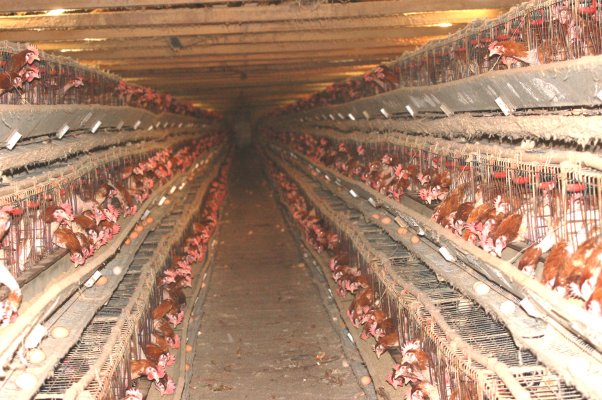
Miller: New legislation being pushed by the Humane Society of the United States and the United Egg Producers would replace science-based animal care practices with a strict government mandate, according to Livestock Policy Specialist Kelli Ludlum. The primary aim of the bill is to double the size of cages for egg laying hens.
Ludlum: That doesn’t sound like a bad thing, obviously. More space for birds sounds like a very good thing, but the problem is that sometimes giving animals too much space can actually be detrimental to animal welfare. It allows them more room to fight. It allows larger birds to over-consume feed while smaller birds may not get enough feed. we have worked out the size of these um animal confinement facilities for a very specific purpose based on veterinary expertise and the technical expertise of animal scientists um to maximize the welfare for the animals.
Miller: But Ludlum says consumers would definitely be pinched by the proposed changes. It’s already happened to shoppers in the European Union.
Ludlum: The E.U. actually phased out the typical, conventional cages and went to a very similar mandate.Egg prices have increased dramatically, because producers have had to cut back on the number of birds. There simply is no more land to double facility size and so they’ve cut back dramatically on the number of birds. That’s cut back on egg production. The demand is still there, but the supply is cut in half and so where eggs are even available, the prices have skyrocketed.
Miller: The United Egg Producers own figures estimate it will cost $4 billion to implement the changes. And Ludlum says the legislation would set a precedent on how farmers should raise their animals purely for politics.
Ludlum: We don’t have a problem necessarily if they wanted to adopt standards on their own. What we have a problem with is putting this legislation into federal law and again mandating that only one type of production practice is acceptable. Even though this legislation is specific to egg-laying hens and doesn’t affect any other species directly, this legislation sets a real precedent for establishing federal production standards that once that once that bridge is crossed there’s really no going back. So it could very easily extend to all other species, all other types of production practices. So we see this as not only an egg issue, but a broader issue for all of animal agriculture.
Miller: Johnna Miller, Washington.
Miller: We have two extra actualities with AFBF Livestock Policy Specialist Kelli Ludlum. In the first extra actuality she describes what new legislation on egg farming would do. The cut runs 20 seconds, in 3-2-1.
Ludlum: The Senate and House egg bills would require egg producers to phase in what we call “enriched colony housing” which basically dramatically increases the size of the pens that hens can be kept in. There are also some other requirements, for example, things like scratchpads, nest boxes.
Miller: In the second extra actuality Ludlum describes the cost impact for consumers. The cut runs 20 seconds, in 3-2-1.
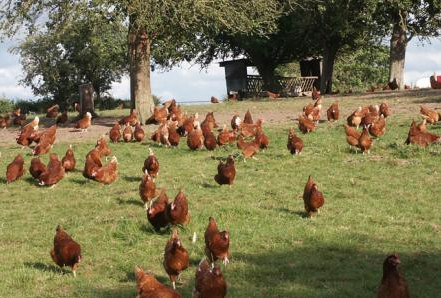
Ludlum: What it ultimately means for consumers is less choice and higher prices at the grocery store. In general today cage-free eggs are from 50 percent to 100 percent more expensive. Now we’re not talking about necessarily going all the way to cage free, so you can probably assume that the cost point will be somewhere in the middle of cage-free and conventional eggs today.
Miller: Newsline is updated Mondays and Thursdays by 5pm Eastern time. Thank you for listening.
http://www.fb.org/index.php?action=newsroom.newsclip&id=69714