

strykerdobe
Hot Topics Subscriber
Better Than Antibiotics
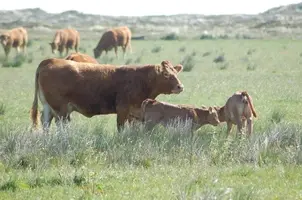
Better Than Antibiotics
Last updated on January 26, 2020 By Will Falconer, DVM 21 Comments
Exciting Alternatives Revealed
I have some very interesting folks in my life. I recently spoke to a vet colleague on the forefront of stopping the excessive use of antibiotics in agriculture.
Specifically, in growing animals as food.
Now, you probably aren’t doing much or any of that, but this research will apply to your companion animals.
As it applies to your own health and safety.
Read on and see what this groundbreaking and inspiring research is revealing about healthier alternatives to antibiotics.
But first…
Why Ag Use of Antibiotics?
Follow the money, honey…
Industrial farms have been adding antibiotics to livestock feed since 1946, when studies showed that antibiotics caused animals to grow faster and put on weight more efficiently, increasing meat producers’ profits. Between 1985 and 2001, the use of antibiotics in feed for industrial livestock production rose a startling 50%. Today, antibiotics are routinely fed to livestock, poultry, and fish on industrial farms to promote faster growth and to compensate for the unsanitary conditions in which they are raised. According to a new report by the FDA, approximately 80 percent of all antibiotics used in the United States are fed to farm animals. This means that in the United States only 20 percent of antibiotics, which were originally developed to protect human health, are actually used to treat infections in people.1
Feeding low-level antibiotics to large groups of animals, especially overcrowded animals where sanitation becomes a concern, aids those animals’ growth to the slaughter stage.
And that’s where the majority of antibiotics are used. Estimates range from 70-80%.
Manure & Antibiotics in the Same Paragraph? Hmmm…
A tale of the tail end of use.
There is an estimated 132 million metric tons of manure produced annually from cattle, swine, and poultry production in the US alone (Dolliver, Kumar, & Gupta, 2007, p.1224). There is 24.6 million pounds of antibiotics used annually in livestock and as much as 75% of antibiotics delivered are not absorbed or used by the animal (Mackie et. al, 2006, p.157). The 75% of antibiotics not absorbed by the animal must exit the body (Mackie et al., 2006). Antibiotic resistant bacteria exit the animal via feces and urine. These contaminated manures are then used for agricultural purposes and eventually end up in groundwater and surface waters as a product of runoff (West, Liggit, Clemans & Francoeur, 2011).2
This is of particular concern in Concentrated Animal Feeding Operations or CAFOs.
You know CAFOs?
Those are vast tracts of land jammed with “finishing” animals, i.e. those getting fattened up as they near the slaughter process to become meat.
They make a lot of manure, as you might imagine.
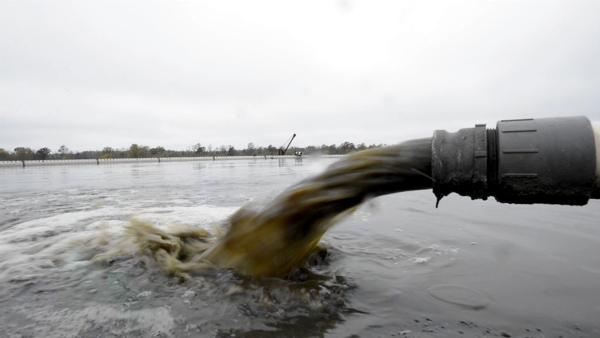
The meat industry is so powerful, they’ve made it illegal to fly over CAFOs. Even with a drone.
They are afraid you’d be outraged if you saw the conditions.
On a smaller scale, antibiotics are likely the most overused class of drugs on the planet.
Therapeutic Antibiotic Misuse: All Too Common
This is true in vet medicine just as it is in humans.
I hear misuse in veterinary medicine frequently, and the logic goes like this:
We did a blood test, and found your animal has an elevated white blood cell count. In order to “help your animal fight” whatever she’s fighting, we’re giving her two weeks worth of antibiotics.
Oh my, Dr. WhiteCoat.
It’s estimated 80% of the immune system resides in the gut.
And you want to whack that immune system with antibiotics? That kill off good guys and bad indiscriminately?
I call that “illogic.”
In humans, it appears you may be a big part of the problem driving antibiotics misuse:
experts agree that one factor influences antibiotic prescribing more than any other. “The overriding theme, in all the research that has been done, is patient satisfaction,” Hicks says.3
Patients who believe they have an illness go to the doctor expecting a fix. They imagine that fix will be an antibiotic. When an antibiotic isn’t forthcoming, they feel the visit didn’t go as planned.
“There are basic social interactions between providers and patients,” Hicks says. “Most doctors want their patients to feel satisfied at the end of the visit.”4
Sounds like we need some “tough love” on the part of these doctors, doesn’t it?
How This Affects You
You are at an increasing risk of getting antibiotic-resistant infections. Largely due to these two influences:
The Fix: Some Encouraging Research
Here’s the good news (I know, it’s about time, right?)
My friend Joe Ramaekers, DVM is an eager researcher into ways to marshall the immune system to fight disease, infectious disease especially.
Dr. Ramaekers has a background of 40 years as a veterinary nutritionist. He’s the one who developed the formulas for three of my favorite immune boosters that I recommend regularly for patients:
I have yet to see studies showing anything that comes even close to these products in terms of immune boosting.
Dr. R’s formulas reflect his fondness of medicinal mushrooms, particularly the Cordyceps, Agaricus, Maitake and Shitake species, all powerhouses of immune enhancement.
These are in the formulae for the animals as well as the one I take daily, TF Plus.
But, here’s where it gets really interesting.
Livestock Don’t Lie
Dr. Ramaekers has studies ongoing and past, showing how the use of transfer factor/mushroom products have actually outperformed the use of antibiotics in livestock!
And, like pets, these animals don’t make this up: they either respond or they don’t, and it’s measurable.
At present, Dr. R has 600 beef cattle on a study, sorted into groups with his immune boosters, a conventional antibiotic called tylosin, and a growth promotant called Rumensin.
So far, the data are showing the immune boosted groups way ahead of the other tests!
30 sets of 20 head each, we may be able to prove that we can raise antibiotic free beef…
… got 90,000 turkeys on study as well antibiotic free, that is coming in good as well.
Turns out there’s a huge demand from China, of all places, for antibiotic-free meat.
Years ago, Dr. Ramaekers showed he could prevent deadly pneumonia in young steers, shipped hundreds of miles, with just a one time treatment of his transfer factor mix, right before they got on the truck.
This compared favorably in both cost and lower sickness rates with the usual high powered antibiotics used previously.
A Way Out of the Darkness
So, there’s a light at the end of this rather ominous tunnel of antibiotic overuse and super-resistant bacteria that threaten us humans.
It takes the smart approach of boosting immunity instead of using carpet bombing antibiotics, which can have long term detrimental effects.
Immune dysfunction is only one of those effects. The list of gut flora related functions is long.
A Third of People Given Antibiotics Don’t Need Them, People’s misperception of successful Tx (#2), A Third of People Given Antibiotics Don't Need Them
The Effects of Antibiotic use on Livestock Animals, Groundwater and Humans |, Gross use amts, manure –> groundwater, The Effects of Antibiotic use on Livestock Animals, Groundwater and Humans – Debating Science
A Third of People Given Antibiotics Don’t Need Them, People demands fuel overuse/misuse., A Third of People Given Antibiotics Don't Need Them
Sustainable Table | Antibiotics, Antibiotics, Antibiotics in Our Food: What You Should Know | FoodPrint, GRACE Communications Foundation
Better Than Antibiotics
Last updated on January 26, 2020 By Will Falconer, DVM 21 Comments
Exciting Alternatives Revealed
I have some very interesting folks in my life. I recently spoke to a vet colleague on the forefront of stopping the excessive use of antibiotics in agriculture.
Specifically, in growing animals as food.
Now, you probably aren’t doing much or any of that, but this research will apply to your companion animals.
As it applies to your own health and safety.
Read on and see what this groundbreaking and inspiring research is revealing about healthier alternatives to antibiotics.
But first…
Why Ag Use of Antibiotics?
Follow the money, honey…
Industrial farms have been adding antibiotics to livestock feed since 1946, when studies showed that antibiotics caused animals to grow faster and put on weight more efficiently, increasing meat producers’ profits. Between 1985 and 2001, the use of antibiotics in feed for industrial livestock production rose a startling 50%. Today, antibiotics are routinely fed to livestock, poultry, and fish on industrial farms to promote faster growth and to compensate for the unsanitary conditions in which they are raised. According to a new report by the FDA, approximately 80 percent of all antibiotics used in the United States are fed to farm animals. This means that in the United States only 20 percent of antibiotics, which were originally developed to protect human health, are actually used to treat infections in people.1
Feeding low-level antibiotics to large groups of animals, especially overcrowded animals where sanitation becomes a concern, aids those animals’ growth to the slaughter stage.
And that’s where the majority of antibiotics are used. Estimates range from 70-80%.
Manure & Antibiotics in the Same Paragraph? Hmmm…
A tale of the tail end of use.
There is an estimated 132 million metric tons of manure produced annually from cattle, swine, and poultry production in the US alone (Dolliver, Kumar, & Gupta, 2007, p.1224). There is 24.6 million pounds of antibiotics used annually in livestock and as much as 75% of antibiotics delivered are not absorbed or used by the animal (Mackie et. al, 2006, p.157). The 75% of antibiotics not absorbed by the animal must exit the body (Mackie et al., 2006). Antibiotic resistant bacteria exit the animal via feces and urine. These contaminated manures are then used for agricultural purposes and eventually end up in groundwater and surface waters as a product of runoff (West, Liggit, Clemans & Francoeur, 2011).2
This is of particular concern in Concentrated Animal Feeding Operations or CAFOs.
You know CAFOs?
Those are vast tracts of land jammed with “finishing” animals, i.e. those getting fattened up as they near the slaughter process to become meat.
They make a lot of manure, as you might imagine.
The meat industry is so powerful, they’ve made it illegal to fly over CAFOs. Even with a drone.
They are afraid you’d be outraged if you saw the conditions.
On a smaller scale, antibiotics are likely the most overused class of drugs on the planet.
Therapeutic Antibiotic Misuse: All Too Common
This is true in vet medicine just as it is in humans.
I hear misuse in veterinary medicine frequently, and the logic goes like this:
We did a blood test, and found your animal has an elevated white blood cell count. In order to “help your animal fight” whatever she’s fighting, we’re giving her two weeks worth of antibiotics.
Oh my, Dr. WhiteCoat.
It’s estimated 80% of the immune system resides in the gut.
And you want to whack that immune system with antibiotics? That kill off good guys and bad indiscriminately?
I call that “illogic.”
In humans, it appears you may be a big part of the problem driving antibiotics misuse:
experts agree that one factor influences antibiotic prescribing more than any other. “The overriding theme, in all the research that has been done, is patient satisfaction,” Hicks says.3
Patients who believe they have an illness go to the doctor expecting a fix. They imagine that fix will be an antibiotic. When an antibiotic isn’t forthcoming, they feel the visit didn’t go as planned.
“There are basic social interactions between providers and patients,” Hicks says. “Most doctors want their patients to feel satisfied at the end of the visit.”4
Sounds like we need some “tough love” on the part of these doctors, doesn’t it?
How This Affects You
You are at an increasing risk of getting antibiotic-resistant infections. Largely due to these two influences:
- overuse in agriculture (where the majority of antibiotics are used)
- wrongly prescribed human antibiotics
The Fix: Some Encouraging Research
Here’s the good news (I know, it’s about time, right?)
My friend Joe Ramaekers, DVM is an eager researcher into ways to marshall the immune system to fight disease, infectious disease especially.
Dr. Ramaekers has a background of 40 years as a veterinary nutritionist. He’s the one who developed the formulas for three of my favorite immune boosters that I recommend regularly for patients:
- Transfer Factor Canine Complete
- Transfer Factor Feline Complete
- Equine Transfer Factor Performance and Show
I have yet to see studies showing anything that comes even close to these products in terms of immune boosting.
Dr. R’s formulas reflect his fondness of medicinal mushrooms, particularly the Cordyceps, Agaricus, Maitake and Shitake species, all powerhouses of immune enhancement.
These are in the formulae for the animals as well as the one I take daily, TF Plus.
But, here’s where it gets really interesting.
Livestock Don’t Lie
Dr. Ramaekers has studies ongoing and past, showing how the use of transfer factor/mushroom products have actually outperformed the use of antibiotics in livestock!
And, like pets, these animals don’t make this up: they either respond or they don’t, and it’s measurable.
At present, Dr. R has 600 beef cattle on a study, sorted into groups with his immune boosters, a conventional antibiotic called tylosin, and a growth promotant called Rumensin.
So far, the data are showing the immune boosted groups way ahead of the other tests!
30 sets of 20 head each, we may be able to prove that we can raise antibiotic free beef…
… got 90,000 turkeys on study as well antibiotic free, that is coming in good as well.
Turns out there’s a huge demand from China, of all places, for antibiotic-free meat.
Years ago, Dr. Ramaekers showed he could prevent deadly pneumonia in young steers, shipped hundreds of miles, with just a one time treatment of his transfer factor mix, right before they got on the truck.
This compared favorably in both cost and lower sickness rates with the usual high powered antibiotics used previously.
A Way Out of the Darkness
So, there’s a light at the end of this rather ominous tunnel of antibiotic overuse and super-resistant bacteria that threaten us humans.
It takes the smart approach of boosting immunity instead of using carpet bombing antibiotics, which can have long term detrimental effects.
Immune dysfunction is only one of those effects. The list of gut flora related functions is long.
These are in the formulae for the animals as well as the one I take daily, TF Plus.
But, here’s where it gets really interesting.
Livestock Don’t Lie
Dr. Ramaekers has studies ongoing and past, showing how the use of transfer factor/mushroom products have actually outperformed the use of antibiotics in livestock!
And, like pets, these animals don’t make this up: they either respond or they don’t, and it’s measurable.
At present, Dr. R has 600 beef cattle on a study, sorted into groups with his immune boosters, a conventional antibiotic called tylosin, and a growth promotant called Rumensin.
So far, the data are showing the immune boosted groups way ahead of the other tests!
30 sets of 20 head each, we may be able to prove that we can raise antibiotic free beef…
… got 90,000 turkeys on study as well antibiotic free, that is coming in good as well.
Turns out there’s a huge demand from China, of all places, for antibiotic-free meat.
Years ago, Dr. Ramaekers showed he could prevent deadly pneumonia in young steers, shipped hundreds of miles, with just a one time treatment of his transfer factor mix, right before they got on the truck.
This compared favorably in both cost and lower sickness rates with the usual high powered antibiotics used previously.
A Way Out of the Darkness
So, there’s a light at the end of this rather ominous tunnel of antibiotic overuse and super-resistant bacteria that threaten us humans.
It takes the smart approach of boosting immunity instead of using carpet bombing antibiotics, which can have long term detrimental effects.
Immune dysfunction is only one of those effects. The list of gut flora related functions is long.
A Third of People Given Antibiotics Don’t Need Them, People’s misperception of successful Tx (#2), A Third of People Given Antibiotics Don't Need Them
The Effects of Antibiotic use on Livestock Animals, Groundwater and Humans |, Gross use amts, manure –> groundwater, The Effects of Antibiotic use on Livestock Animals, Groundwater and Humans – Debating Science
A Third of People Given Antibiotics Don’t Need Them, People demands fuel overuse/misuse., A Third of People Given Antibiotics Don't Need Them
Sustainable Table | Antibiotics, Antibiotics, Antibiotics in Our Food: What You Should Know | FoodPrint, GRACE Communications Foundation


