

strykerdobe
Hot Topics Subscriber

Why You Shouldn't Ignore Your Dog's Poop
Analysis by Dr. Karen Shaw BeckerMarch 10, 2021
STORY AT-A-GLANCE
- What comes out of your dog is almost as important as what goes into him, which is why it’s so important to regularly monitor his “output” for signs of trouble
- The first thing you should do is establish what “normal” is for your dog in terms of poop, which will depend to a great extent on her diet
- While most dogs have an occasional “one and done” bout of diarrhea, usually due to indiscriminate eating, loose stools are also the most obvious symptom of a potential health problem
- There are many potential causes of diarrhea in dogs, ranging from a change in diet to cancer; it’s time to call your vet if the diarrhea doesn’t resolve on its own in a day or so, or if your dog is showing other signs of illness
- Home care for diarrhea in an otherwise healthy dog should include a short-term bland diet and beneficial supplements
As I often say here at Mercola Healthy Pets, what comes out of an animal’s body is as worthy of attention as what goes into it. Since our furry family members can’t tell us how they feel, and since dogs (and cats) are programmed by nature not to complain or even appear under the weather when they are, it’s up to us to stay alert for signs of trouble.
One of the best ways to do this is to pay attention not only to how often and how much your dog poops, but also the appearance of those “deposits.”
First Things First: Establishing Your Dog’s ‘Normal’
Generally speaking, the poop of a healthy dog is moist and firm and has a mild odor.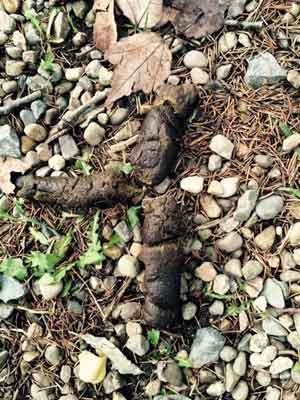
Dogs fed exclusively kibble (which as you know if you visit here regularly, I don’t recommend) typically produce large quantities of voluminous poop for several reasons.
First, most ultra-processed pet food manufacturers add unnaturally high amounts of fiber (e.g., beet pulp, soybean and rice hulls, as well as “cellulose,” otherwise known as wood fiber, or sawdust). The normal fiber content of the ancestral diet is between 4% and 6%. The fiber content of many “high fiber” dry foods is greater than 10%, and some “diet” or “lite” foods contain double that.
Kibble is less digestible than fresh food diets,1 in part because of the poor quality “feed grade” ingredients 99% of companies use to make their products. Less digestion means more poop, and usually smellier poop because there’s more food fermentation and gas production in the GI tract. Fresh pet food made with human grade ingredients results in 2/3 less poop volume2 … that tells you something!
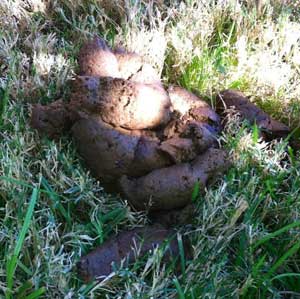
Dogs eating fresh food, especially raw diets, tend to produce significantly less poop that is also smaller in size, firmer, and significantly less smelly. One of the reasons vets are opposed to homemade diets is because sometimes pet owners don’t follow a recipe that meets basic nutritional requirements, which means over time, nutritional deficiencies can occur.
Likewise, many people guessing at nutritional requirements accidently provide too many minerals, including too much calcium and phosphorus that comes from edible bones. This can be especially problematic for growing puppies. To find a fresh food consultant that can create a custom homemade recipe that meets accepted nutritional standards for your dog or cat click Fresh Food Consultants.
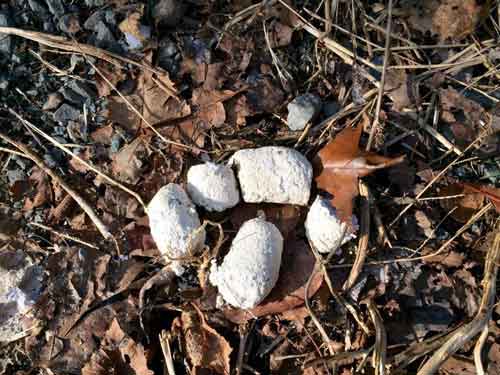
Dogs eating raw foods that could be too high in calcium or bone tend to pass white, chalky feces, and run the risk of obstipation, which is severe, unrelenting constipation that blocks the passage of both gas and waste through the colon.
Regardless of your dog’s diet, it’s important to know what her poop looks and smells like normally so that you’ll be immediately aware of any changes in frequency, consistency, size, color, or smell.

The Dreaded Diarrhea
Since diarrhea is a symptom of multiple health problems, it also has multiple causes, from benign to very serious. These include:| Change in diet | Bacterial infection | Exocrine pancreatic insufficiency (EPI) |
| Food intolerance, sensitivity, or allergy | Viral infection | Gastrointestinal tumors |
| *Indiscriminate eating | Irritable bowel syndrome (IBS) | Lymphangiectasia |
| Ingestion of toxins | Inflammatory bowel disease (IBD) | Ulcerative colitis |
| Intestinal parasites (e.g., giardia) | Intestinal obstruction | Idiopathic hemorrhagic gastroenteritis |
| Rectal polyps | Small intestine bacterial overgrowth (SIBO) | Histoplasma enteritis or colitis |
Diarrhea can have different characteristics depending on its cause. In the following situations, unless the problem clears up on its own within a day or so, I recommend making an appointment with your veterinarian.
•A soft stool with no visible blood or mucous might indicate either a dietary change or indiscriminate eating. However, it can also signal the presence of an intestinal parasite such as giardia.
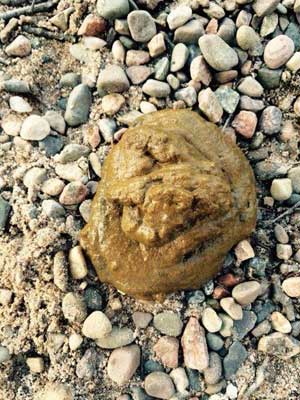
•A greasy-looking gray stool can be a sign of too much fat in your dog’s diet, which can trigger pancreatitis, which is inflammation of the pancreas that can range from very mild to life threatening.

•A black, tarry stool typically indicates the presence of old (vs. fresh) blood somewhere in the digestive system. It can be a sign of injury to the gastrointestinal (GI) tract from indiscriminate eating, a foreign body or it can also be a sign of a very serious disease such as cancer.
•Watery diarrhea can be a sign of stress or a viral (e.g., parvovirus) or parasitic infection and can lead very quickly to dehydration, especially in puppies.
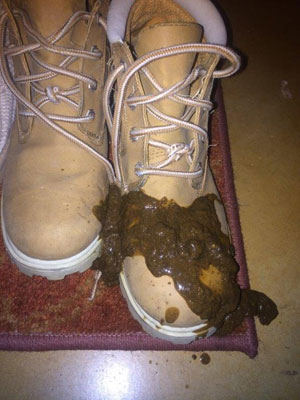
•A soft stool containing or coated with mucous may also indicate the presence of irritants in the food, sensitivity to a food ingredient, an ingested substance, or parasites.
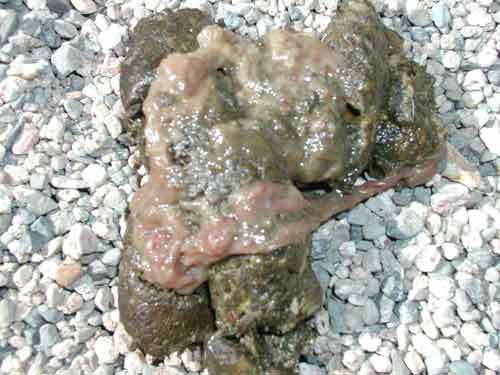
•A soft or watery stool with visible worms, eggs, or other uninvited guests is a clear indication of an intestinal parasite infestation.
•Firm, soft or runny poop containing blood or blood clots is almost always a sign of a serious health problem requiring immediate attention. Fresh blood indicates current bleeding, typically from the large intestine or the anus or anal glands. There could be a perforation or damage to the intestinal wall from something the dog ingested, or from the eruption of a tumor or a bleeding polyp.
Diarrhea Occasionally Masquerades as Constipation
The typical dog with diarrhea has an urgent need to get to his potty spot, and once there, quickly passes loose, watery stool. (And if he can’t get to his potty spot in time, we’ll be cleaning up a mess.) However, sometimes diarrhea looks remarkably like constipation, in that the dog strains to go.This occurs because diarrhea upsets the normal rhythm of the muscle contractions in your dog’s intestinal tract, giving him the feeling that he constantly needs to poop. So even when he’s hunched over and straining, his colon might be empty after repeated bouts of loose stool.
In cases of chronic diarrhea, many dogs show no sense of urgency to get outside and also don’t have accidents in the house — they simply always have loose, watery stools.
Other symptoms that often accompany diarrhea include fever, lethargy, malaise, loss of appetite, and dehydration. Puppies, small dogs, and seniors are at risk of dehydration from just one round of significant diarrhea.
Small bowel diarrhea can also be confusing to pet parents, because the first part of the stool is firm, followed by soft or very loose second half of the bowel movement, which can indicate a variety of issues including small intestinal bacterial overgrowth (SIBO), maldigestion, malabsorption, food intolerances, exocrine pancreatic insufficiency, dysbiosis (leaky gut) or irritable bowel syndrome (IBS).

When Diarrhea Requires a Vet Visit
Most healthy dogs experience an occasional episode of loose stool or diarrhea that resolves within 12 to 24 hours. The underlying issue in most of these cases is indiscriminate eating or stress. However, any dog has the potential to become very ill from chronic bouts of diarrhea.If your dog seems fine after a bout of diarrhea — she’s acting as if nothing is bothering her and has her usual amount of energy — it’s safe to simply keep an eye on her to ensure her stool returns to normal within a day or so. But if you notice she’s sluggish, running a fever or feels warm to the touch, or there’s a change in her behavior, you should contact your veterinarian.
If you see blood in the stool or your dog is weak or shows other signs of debilitation along with the diarrhea, you should make an appointment with the vet. If she seems fine but is experiencing recurrent bouts of diarrhea, it’s time for a checkup.
It’s important to bring a sample of your dog’s stool to your appointment, even if it’s watery. Use a plastic baggie and shovel a bit in there to take with you (a small piece of flat cardboard works well as a “shovel”). This will help your veterinarian identify potential underlying causes for the diarrhea.
Treating Diarrhea at Home With a Bland Diet
If your dog is otherwise healthy and his behavior is normal, my recommendation is to withhold food — not water, just food — for 12 hours. A short-term fast gives the GI tract a chance to rest, repair and restore itself.Follow the 12-hour food fast with a bland diet. I recommend cooked, fat-free, ground turkey and 100% canned pumpkin. If canned pumpkin isn’t available, you can use fresh, steamed pumpkin. If you can’t use either of those, go with cooked sweet potato or even cooked white potato.
Mix the turkey and pumpkin, 50/50, and feed it to your pet until the diarrhea resolves. If it doesn’t clear up in 48 hours on a bland diet, it’s time to call your veterinarian.
Canned 100% pumpkin provides about 80 calories and 7 grams of soluble fiber per cup, compared to 1.2 grams of fiber in a cup of cooked white rice (not recommended anymore for a variety of reasons). The soluble fiber in pumpkin coats and soothes the GI tract; it also delays gastric emptying, slowing down GI transit times and helping to reverse the effects of increased peristalsis (muscle contractions).
When animals have diarrhea, they can lose important electrolytes, including potassium, which puts them at risk of dehydration. Hypokalemia, or low potassium levels, can result in cramping, fatigue, weakness, and heart rate irregularities. Pumpkin happens to be an excellent source of potassium, with 505 milligrams of naturally occurring potassium per cup. Pumpkin is also safer for diabetic pets than rice.
As for supplements that benefit dogs with diarrhea, I recommend keeping some slippery elm on hand. Slippery elm is a neutral fiber source that works really well to ease episodes of diarrhea. I call it “nature’s Pepto-Bismol” because it reduces GI inflammation and acts as a non-irritating source of fiber to bulk up the stool and slow down GI transit time.
Give your dog about a half a teaspoon or a capsule for each 10 pounds of body weight with every bland meal. I also recommend adding in a good quality probiotic once the stool starts to firm up. In addition to slippery elm and probiotics, many pet parents have good luck with herbs such as peppermint, fennel or chamomile.
These are especially helpful for the cramping and other uncomfortable GI symptoms that come with diarrhea. Activated charcoal can also be a godsend for dogs that frequently eat things they shouldn’t and end up with terrible diarrhea.
If your dog has any bowel change that coincides with lethargy, weakness, a fever or personality change, don’t wait, visit your vet immediately.

 Firm believer (pun intended) that poop tells alot about whats going on. If I am gone all day, I will come home and ask darling husband if the dogs pooped. He never knows the answer!


