

strykerdobe
Hot Topics Subscriber
Some great info.
Is Your Dog at Risk for Bloat? These Mistakes Can Be Deadly
Especially if you're the pet parent of a large or giant breed dog, be aware, your dog may be on this list of breeds at highest risk for bloat and gastric dilatation volvulus (GDV), a life-threatening emergency in dogs. This alarming study reveals factors that can put your pet at even higher risk.- Analysis by Dr. Karen Shaw Becker
Apr 5, 2023
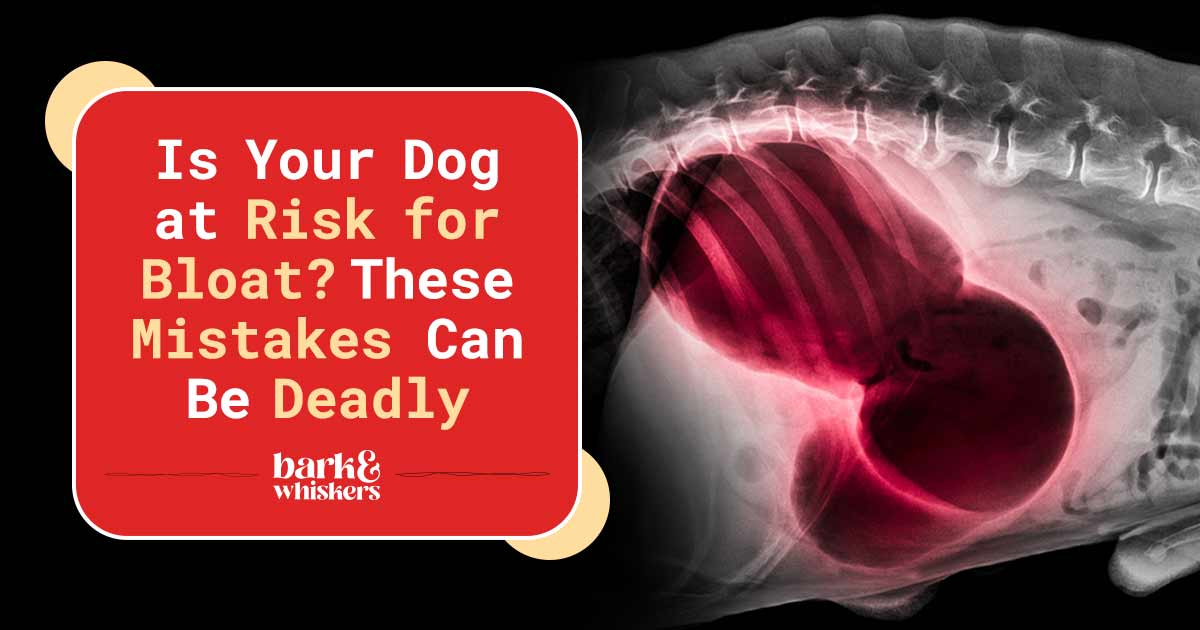
Is Your Dog at Risk for Bloat? These Mistakes Can Be Deadly
Especially if you're the pet parent of a large or giant breed dog, be aware, your dog may be on this list of breeds at highest risk for bloat and gastric dilatation volvulus (GDV), a life-threatening emergency in dogs. This alarming study reveals factors that can put your pet at even higher risk.
www.barkandwhiskers.com
STORY AT-A-GLANCE
- Bloat is a condition in dogs in which the stomach expands as a result of trapped gas, air, and/or fluid; bloat often progresses to a life-threatening disorder called gastric dilatation volvulus (GDV) in which the stomach twists around on itself
- Potential risk factors for bloat and GDV include a dog’s breed, age, size, diet, eating habits, digestive health, and exercise
- Without immediate veterinary care GDV ruptures the stomach, resulting in peritonitis, a fatal abdominal infection; the time lapse between presentation of symptoms and emergency surgery is the most important factor in saving the lives of dogs with GDV
- There are several preventive steps you can take if your dog is at high risk of GDV involving, among other things, what, how fast, and how often he eats; high risk breeds with a near relative with GDV may benefit from preventive gastropexy surgery


