But I mention this all the time. If your Dobe develops a Cough and you take them to your Vet. I would tell your Vet to prove to you that it is NOT DCM!
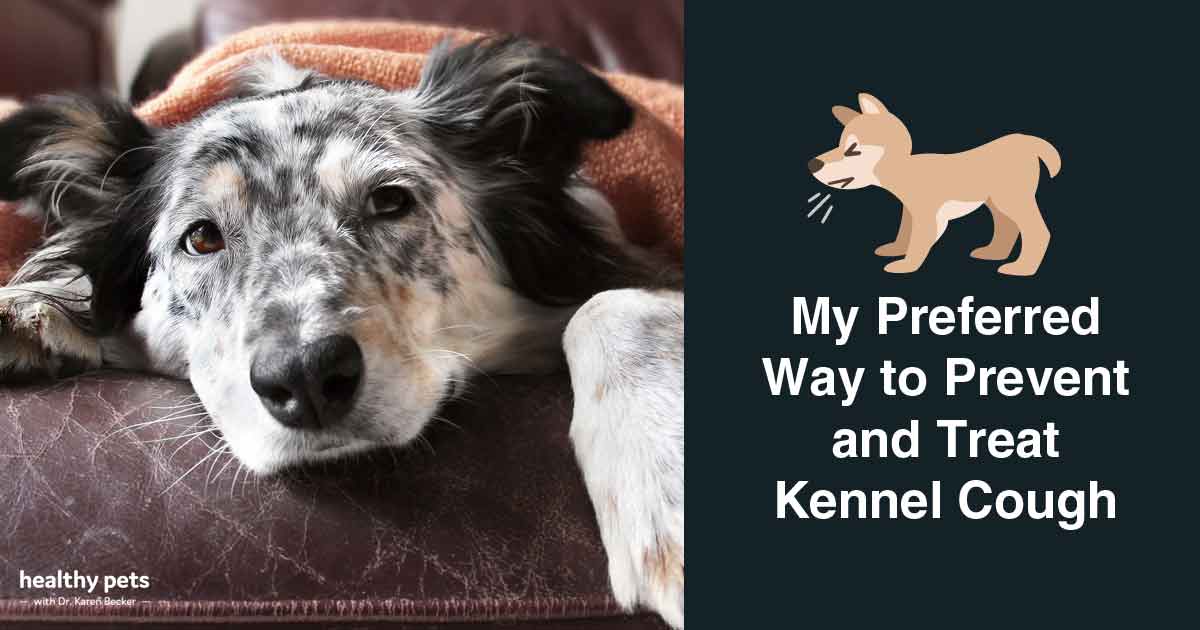
My Preferred Way to Prevent and Treat Kennel Cough
Analysis by
Dr. Karen Shaw Becker
Bordetella, or kennel cough, is similar to a chest cold in humans and is marked by a dry hacking cough.
healthypets.mercola.com
STORY AT-A-GLANCE
- Kennel cough (Bordetella) is a highly contagious upper respiratory condition in dogs; most Bordetella cases are acquired in facilities where lots of dogs are together in close quarters
- The most common cause of the infection is the simultaneous presence of the parainfluenza virus and the Bordetella bronchiseptica bacteria; the universal symptom of an infection is a dry hacking cough
- The best course of action is to let mild cases of kennel cough in otherwise healthy dogs run their course with the aid of natural, non-toxic remedies
- Since a serious episode of kennel cough can result in pneumonia, if the symptoms aren’t improved after a week or are worsening, your puppy or adult dog stops eating or develops a fever, make an urgent appointment with your veterinarian
- Because there are many viruses and bacteria that can contribute to a kennel cough infection, experts say bordetella is not a vaccinatable disease; instead, focus on supporting your dog’s immune system
If you have a dog, you’ve probably heard of kennel cough (scientific name: infectious tracheobronchitis) because it’s a very common upper respiratory infection in dogs. In fact, if your pet has recently been in an animal shelter, boarding facility or some other setting where there were lots of other dogs, and now she’s coughing frequently or making choking sounds, she may have acquired the infection.
Kennel cough is similar to a chest cold in humans and is actually a form of
bronchitis. It can be triggered by several different viruses and bacteria, but by far the most common culprit is the simultaneous presence of the
parainfluenza virus and the bacteria called Bordetella bronchiseptica.
How Dogs Acquire Kennel Cough
Kennel cough is highly contagious, and dogs can remain infectious for many weeks after their symptoms disappear. Dog-to-dog exposure occurs when an infected dog coughs or sneezes and a healthy dog inhales the aerosolized respiratory secretions.
The canine respiratory tract is coated in a protective lining of mucus. If this lining is compromised, an infection can take hold from the inhaled particles. The result is inflammation of the larynx and trachea, which is what causes the coughing.
If the healthy dog’s respiratory tract is compromised by stressors such as travel, being housed in a crowded environment, cold temperatures, environmental pollutants, or infectious viruses, then Bordetella bronchiseptica, which is the chief infectious bacterial agent in kennel cough, can enter the respiratory tract.
Bordetella bacteria are usually accompanied by at least one other infectious agent, typically a virus. Kennel cough is actually multiple infections occurring at the same time and not just a single infection. This is one of the reasons the
Bordetella vaccine is often not effective, and it’s why I don’t recommend it (more about this shortly).
Most cases of kennel cough occur in dogs with suppressed immune systems who spend time in crowded quarters with inadequate ventilation and lots of warm air.
What to Look For
Generally speaking, if an otherwise healthy dog suddenly develops a persistent cough, it's usually due to an infection in the form of some type of kennel cough, virus, bacteria, or a combination.
A sudden dry hacking cough, sneezing, snorting, retching, gagging, or vomiting in response to very light pressure to the trachea, or a spasmodic cough when a dog is excited or exercising, are all common symptoms of kennel cough. A nasal discharge may be present, and sometimes there can also be
fever. Three different dogs with kennel cough:
Most symptoms of kennel cough occur 2 to 14 days after exposure, and dogs usually continue to eat and remain alert. When the condition is more serious, they can become lethargic and lose their appetite.
Rarely,
pneumonia can develop. In a worst-case scenario, the infection can lead to death, but it’s important to know that severe cases of kennel cough primarily occur in immunocompromised dogs or in very young puppies. It's very rare to lose a dog with a competent immune system to kennel cough.
Diagnosis is made by observing one or more of the symptoms noted above, often coupled with a history of the dog having spent time at a boarding facility, puppy mill or shelter. If the infection is serious and the dog has pneumonia, bacterial cultures should be performed to identify the specific pathogens involved. Some veterinarians also take x-rays to check for bronchitis.
Options for Treating Kennel Cough
Most cases of kennel cough resolve on their own without medical intervention, which is why I never recommend
unnecessary antibiotics, because antibiotics don’t address the viral component of this infection. I always prefer to let the dog’s body heal itself naturally with non-toxic support, as long as she’s stable.
During the acute phase of the illness, I strongly recommend using a harness to prevent your dog’s collar from aggravating the situation, especially if he tends to
pull against the leash on walks. You can also try humidifying the air to help reduce or alleviate coughing spells. I add colloidal silver to my humidifier when anyone in the house has any type of bacterial respiratory infection.
Complete recovery from kennel cough can take up to 3 weeks in healthy dogs, and twice as long in older patients or those with underlying immunosuppressive conditions. Puppies can also take a bit longer to recover because their immune systems are not yet fully developed.
Since a serious episode of kennel cough can result in pneumonia, if your dog doesn’t start to improve on his own within about a week, the coughing becomes progressively worse, he develops a fever or stops eating, it’s very important to make an appointment with your veterinarian. If antibiotics are prescribed, always give probiotics during and after administration.
I also recommend seeing your vet if you have a puppy with symptoms that go beyond the typical symptoms of kennel cough, such as a change in breathing patterns, difficulty breathing, loss of appetite, or a markedly diminished energy level.
There are several excellent natural remedies I’ve used for years to speed dogs’ recovery from kennel cough and reduce the severity of symptoms.
| Esberitox is a fast-acting echinacea that can be very effective in reducing the virulence of Bordetella infections | Manuka honey |
| Raw garlic and olive leaf are natural antibacterial and antiviral agents | Slippery elm can help soothe sore, irritated throats, as well as Throat Coat tea |
| Vitamin C is an antiviral and vitamin E provides immune system support | Essential oils can be water diffused to help a dog with kennel cough breathe easier. Oils of eucalyptus, lemon, lavender and tea tree have antibacterial and antiviral properties. Note: This essential oil blend is only for homes without cats! |
| Homeopathic nosodes stimulate the immune system to react against specific diseases, but since they require a prescription, you’ll need to work with an integrative veterinarian | |
Bordetella Vaccines
Many veterinarians recommend Bordetella vaccines, either by injection or by internasal delivery. However, I do not.
Many boarding kennels, doggy daycare facilities, groomers and other similar businesses require that dogs be vaccinated for kennel cough. The reason behind this requirement is to remove liability from those businesses. Veterinary immunology authority Dr. Ronald Schultz has stated that Bordetella is an “un-vaccinatable” disease.
The vaccines are generally ineffective and will not prevent your dog from getting kennel cough. The infection is caused by a wide variety of bacterial and viral agents, and no single vaccine can provide protection from them all, nor will the vaccine treat an active infection.
In addition, whatever protection the vaccine might offer wears off very quickly, usually in less than a year, which means your pet will need to be revaccinated every six months if you patronize businesses that demand the vaccine.
On the rare occasion I must provide a Bordetella vaccine for a dog who will be traveling or boarded, I always use the nose drop variety, as it’s much less toxic. It doesn’t contain the strong adjuvants the injectable version has, and it carries few if any side effects. It’s also important to understand that your dog can still acquire kennel cough infection even if she’s been vaccinated.