• Disclaimer: Hello Guest, Doberman Chat Forums presents the opinions and material on these pages as a service to its membership and to the general public but does not endorse those materials, nor does it guarantee the accuracy of any opinions or information contained therein. The opinions expressed in the materials are strictly the opinion of the writer and do not represent the opinion of, nor are they endorsed by, Doberman Chat Forums. Health and medical articles are intended as an aid to those seeking health information and are not intended to replace the informed opinion of a qualified Veterinarian.”

Bird Flu and feeding raw

Ravenbird

Moderator
$ Forum Donor $
It appears that bird flu is on the rise, and is appearing more in mammals and cats seem to be most vulnerable. I may be reconsidering my raw topper pretty soon - I'm down to the last of the freezer batch. I can always make the same topper with cooked meat except the chicken feet, and those can make super bone broth. But evidently the virus can stay viable in frozen raw turkey cat food, so now I wonder about frozen raw anything. What I've been reading sounds like cats are super sensitive to this virus, more so than other animals, but now I'm getting concerned about raw for dogs. Anyone else following this?
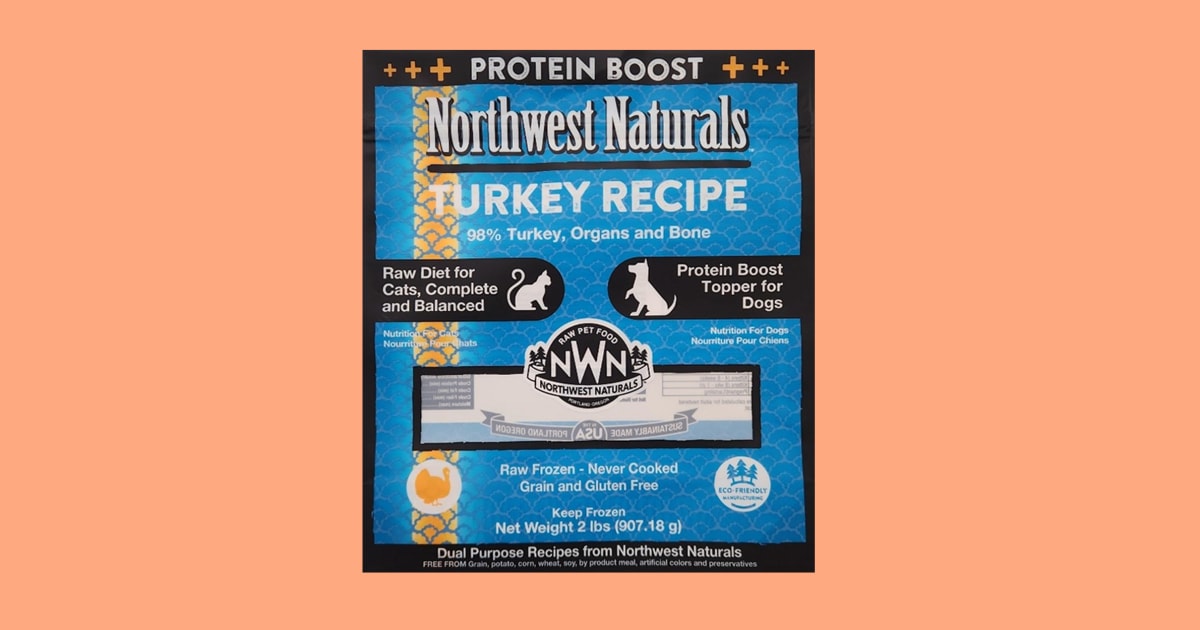


Yeah, after I posted I thought about freeze dried raw... Even if it's just cats affected it's going to put a hard dent in the raw pet food market. I've always said I'd much rather buy it premade, but I think when I get done with what I've got made up in the freezer right now (beef, chicken, turkey mixture) I'll make my next batch cooked. It's still human grade meat protein and nothing about that changes with cooking. I know I have freeze dried treats but I don't think it was raw, I'll have to check.
 
Well I didn't want to see this part, although our dogs have been getting freeze dried chicken as treats for months now.

Are frozen or freeze-dried raw diets lower risk for H5N1 influenza?

Freezing and freeze drying are effective preservation methods for viruses, so its unlikely that these methods substantially reduce the risk of viral contamination in raw diets. Ultralow freezing is used for longterm preservation of viruses, but shorter-term survival is also possible at temperatures achieved using normal freezers (-20C). A study of the survivability of H7N9 influenza on raw chicken meat (Dai et al. Lancet 2022) reported that viral infectivity was maintained for 9 days at -20C, 4 days at 4C and 4 days at 25C. This was a rather small study, so it is possible that somewhat longer survival could occur in some situations. In nature, long term (e.g. overwintering) survival of influenza virus in ice has been suspected.

While the survival kinetics of this virus with freezing are not clear, it should be assumed that the virus could survive frozen for at least a week, and possibly much longer. Freezing should not be assumed to be a risk mitigation measure for viral contamination of raw diets.

Freeze drying is a highly effective virus preservation method. Survival of virus in freeze dried food has not been assessed, but in the absence of specific evidence, it is reasonable to assume that influenza virus would survive for long periods of time in such diets.
 
our dogs have been getting freeze dried chicken as treats for months now
I'm thinking that unless or until there is more mutation of the virus that as it is, dogs are not too susceptible to it. As far as I can tell only one dog has gotten it and it was eating a dead wild goose which tested positive. I'm actually less worried now than when the recall on the raw cat food happened. Anyone with cats though, I'd not feed raw.
 
Everything I have read tends toward pasteurization does kill the virus (in milk anyway) and also dogs just don't seem to be as susceptible on any account.
 

Back
Top