okaygreatthanks
Member
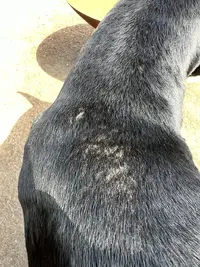
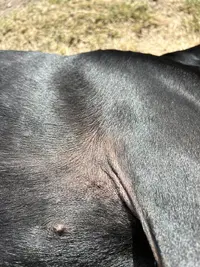
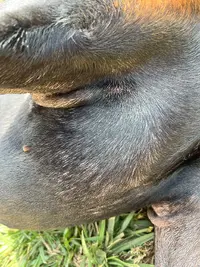
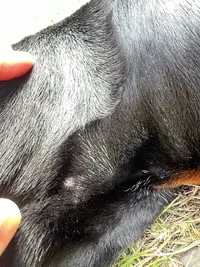
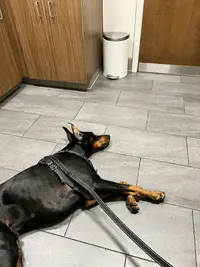
Remy has been battling a staph infection for the last couple of months, which we started seeing a veterinary dermatologist for about a month ago.
We did a skin culture last week, and it’s antibiotic resistant to everything except sulfur-based antibiotics (which was the derm’s first choice) and Zeniquin. Sulfur-based antibiotics are notorious for adverse reactions in Dobermans, and Zeniquin isn’t recommended for young dogs as it can cause cartilage damage. Remy’s just about 15 months old, so neither of these are ideal.
Has anyone had experience using these antibiotics for their puppy?
Sometimes it’s necessary to use a heavy antibiotic if the infection warrants it, but the risks are very worrying.
I’m also taking Remy to our regular vet tomorrow for a full thyroid panel, because I want to rule that out as an underlying cause for all of his skin issues. I know the vets probably think I’m a crazy helicopter mom, but that’s kind of a prerequisite for owning this breed, and I don’t really care – I’ll always advocate for my dog.
For a fuller picture of why I have concerns, here’s backstory on some of the health issues he’s had this past year:
In February he had a histiocytoma on his paw pad which kept getting rubbed raw, so we did a blood panel at the vet to check for infection. Much to our surprise/dismay, his liver enzymes were quite elevated (ALT at 372). We first tried a course of antibiotics and Denamarin for a few weeks, but he couldn’t tolerate the Denamarin so we had to discontinue that. At our recheck about a month later, his ALT was still at 388. This led us down a spiral of tests per the vet’s recommendation: bile acids, TAMU GI panel, ultrasound, etc. Everything came back fine, so the vet’s next suggestion was a liver biopsy to test for copper storage disease. I don’t like to put dogs under anesthesia unless it’s an emergency (plus anesthesia is hard on the liver!), so after consulting with our breeder and confirming there are no known liver issues in her lines, plus knowing Remy’s a garbage-mouth who probably ate something toxic, we decided to hold off on that and see if they’d come down. Guess what? They did! It took about 3 months, but by late May his liver enzymes were perfectly normal. For data-nerds like myself, here’s all his enzyme results from this debacle:
2/22/23
ALT - 372 (scale 10-125)
ALP - 257 (scale 23-212)
GGT - 23 (scale 0-11)
3/15/23
ALT - 388 (scale 10-125)
ALP - 233 (scale 23-212)
GGT - 8 (scale 0-11)
AST - 52 (scale 0-50)
4/13/23
ALT - 284 (scale 10-125)
ALP - 150 (scale 23-212)
GGT - 1 (scale 0-11)
AST - 45 (scale 0-50)
5/23/23
ALT - 86 (scale 10-125)
ALP - 107 (scale 23-212)
GGT - 0 (scale 0-11)
AST - 37 (scale 0-50)
7/17/23
ALT - 129 (scale 10-125)
At our late May appointment, Remy had gotten an insect bite on his leg that he’d chewed on, plus I noticed a couple other bumps nearby and that he’d been itchy. I asked if it could be a staph infection (because it looked like a classic staph infection) but she shot that down and said it was probably seasonal allergies, and recommended Apoquel for the itching. I *specifically* asked if Apoquel would elevate his liver enzymes and she assured me it wouldn’t, so I deferred to her expertise. While Remy was on the Apoquel, the itching got a bit better, but his bumps never went away, and he began to get hives all over his back and neck.
So, that brings us to the July results where his ALT is elevated again! Lo and behold, I Googled it, and immediately found out that Apoquel does in fact cause elevated liver enzymes. At this appointment, we got a different vet, who finally confirmed my original suspicion: staph infection!

Remy also had an ear infection at this time, and was prescribed two weeks of Amoxicillin-Clavulanate, Otic Suspension, and CeraDerm shampoo. This vet thought it could be secondary to allergies, so we made an appointment with the dermatologist who is currently overseeing treatment.
He’s now taken four weeks of Amoxicillin-Clavulanate, which is known to be hard on the liver, so we’ll be checking his enzymes again tomorrow along with the thyroid panel. Thank goodness the liver is a regenerative organ, but it’s hard not to worry about long-term damage after all he’s been through, hence my concern about more antibiotics (specifically sulfur-based ones which are very heavy-hitters). We do plan to do a liver biopsy during his cryptorchid neutering just to have 100% peace of mind that it’s not copper storage disease.
For now, we’re bathing him 3x weekly with Douxo S3 Pyo, and I’m holding off on choosing an antibiotic until we get his thyroid results (and latest liver panel) tomorrow, and we'll be continuing to work with the vet derm on potential allergies once we get the staph infection squared away.
We did a skin culture last week, and it’s antibiotic resistant to everything except sulfur-based antibiotics (which was the derm’s first choice) and Zeniquin. Sulfur-based antibiotics are notorious for adverse reactions in Dobermans, and Zeniquin isn’t recommended for young dogs as it can cause cartilage damage. Remy’s just about 15 months old, so neither of these are ideal.
Has anyone had experience using these antibiotics for their puppy?
Sometimes it’s necessary to use a heavy antibiotic if the infection warrants it, but the risks are very worrying.
I’m also taking Remy to our regular vet tomorrow for a full thyroid panel, because I want to rule that out as an underlying cause for all of his skin issues. I know the vets probably think I’m a crazy helicopter mom, but that’s kind of a prerequisite for owning this breed, and I don’t really care – I’ll always advocate for my dog.
For a fuller picture of why I have concerns, here’s backstory on some of the health issues he’s had this past year:
In February he had a histiocytoma on his paw pad which kept getting rubbed raw, so we did a blood panel at the vet to check for infection. Much to our surprise/dismay, his liver enzymes were quite elevated (ALT at 372). We first tried a course of antibiotics and Denamarin for a few weeks, but he couldn’t tolerate the Denamarin so we had to discontinue that. At our recheck about a month later, his ALT was still at 388. This led us down a spiral of tests per the vet’s recommendation: bile acids, TAMU GI panel, ultrasound, etc. Everything came back fine, so the vet’s next suggestion was a liver biopsy to test for copper storage disease. I don’t like to put dogs under anesthesia unless it’s an emergency (plus anesthesia is hard on the liver!), so after consulting with our breeder and confirming there are no known liver issues in her lines, plus knowing Remy’s a garbage-mouth who probably ate something toxic, we decided to hold off on that and see if they’d come down. Guess what? They did! It took about 3 months, but by late May his liver enzymes were perfectly normal. For data-nerds like myself, here’s all his enzyme results from this debacle:
2/22/23
ALT - 372 (scale 10-125)
ALP - 257 (scale 23-212)
GGT - 23 (scale 0-11)
3/15/23
ALT - 388 (scale 10-125)
ALP - 233 (scale 23-212)
GGT - 8 (scale 0-11)
AST - 52 (scale 0-50)
4/13/23
ALT - 284 (scale 10-125)
ALP - 150 (scale 23-212)
GGT - 1 (scale 0-11)
AST - 45 (scale 0-50)
5/23/23
ALT - 86 (scale 10-125)
ALP - 107 (scale 23-212)
GGT - 0 (scale 0-11)
AST - 37 (scale 0-50)
7/17/23
ALT - 129 (scale 10-125)
At our late May appointment, Remy had gotten an insect bite on his leg that he’d chewed on, plus I noticed a couple other bumps nearby and that he’d been itchy. I asked if it could be a staph infection (because it looked like a classic staph infection) but she shot that down and said it was probably seasonal allergies, and recommended Apoquel for the itching. I *specifically* asked if Apoquel would elevate his liver enzymes and she assured me it wouldn’t, so I deferred to her expertise. While Remy was on the Apoquel, the itching got a bit better, but his bumps never went away, and he began to get hives all over his back and neck.
So, that brings us to the July results where his ALT is elevated again! Lo and behold, I Googled it, and immediately found out that Apoquel does in fact cause elevated liver enzymes. At this appointment, we got a different vet, who finally confirmed my original suspicion: staph infection!
Remy also had an ear infection at this time, and was prescribed two weeks of Amoxicillin-Clavulanate, Otic Suspension, and CeraDerm shampoo. This vet thought it could be secondary to allergies, so we made an appointment with the dermatologist who is currently overseeing treatment.
He’s now taken four weeks of Amoxicillin-Clavulanate, which is known to be hard on the liver, so we’ll be checking his enzymes again tomorrow along with the thyroid panel. Thank goodness the liver is a regenerative organ, but it’s hard not to worry about long-term damage after all he’s been through, hence my concern about more antibiotics (specifically sulfur-based ones which are very heavy-hitters). We do plan to do a liver biopsy during his cryptorchid neutering just to have 100% peace of mind that it’s not copper storage disease.
For now, we’re bathing him 3x weekly with Douxo S3 Pyo, and I’m holding off on choosing an antibiotic until we get his thyroid results (and latest liver panel) tomorrow, and we'll be continuing to work with the vet derm on potential allergies once we get the staph infection squared away.