LifeofRubie
Moderator
Harness racing!


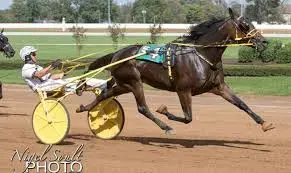
I don't know the first thing about harness racing but I'm guessing they have to stay in a trot the whole time?Harness racing!
I don't know the first thing about harness racing but I'm guessing they have to stay in a trot the whole time?

I think pace means the same thing as an extended crop in the horse world, but I could be wrong too. I think it would be the same as a dog in a show needing that fast extended trot without breaking in to a run.I'm researching yet but it seems they technically Pace?

In these horses PACE means the two right legs are moving together, then the two left legs move together, as seen in the slo-mo video provided by @LifeofRubie. A TROT, is diagonal legs moving together - front right and back left will swing forward together, when they hit the ground the other diagonals will move forward together. I think pacers race against pacers and trotters race against trotters, but in any case, they neither one is allowed to break stride into a gallop.I think pace means the same thing as an extended crop in the horse world, but I could be wrong too. I think it would be the same as a dog in a show needing that fast extended trot without breaking in to a run.
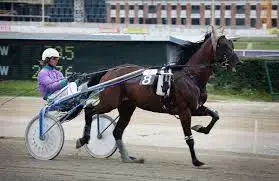
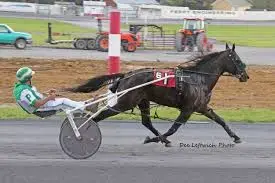
That's a great explanation. Horses have so many gaits that it's hard to keep up.In these horses PACE means the two right legs are moving together, then the two left legs move together, as seen in the slo-mo video provided by @LifeofRubie. A TROT, is diagonal legs moving together - front right and back left will swing forward together, when they hit the ground the other diagonals will move forward together. I think pacers race against pacers and trotters race against trotters, but in any case, they neither one is allowed to break stride into a gallop.
Most trotters will never pace & most pacers will not trot, so for them it's still just walk, trot/pace, canter & gallop (run). Let's not talk about the gaited/racking horses, that's out of my league.Horses have so many gaits that it's hard to keep up.
 (long story short, sounds like trotters are more popular in Europe and are not standardbreds). You can also find some video's of trotters under saddle!
True, but I think trotters have some contraption as well, but it won't look the same. (I'm def not an expert at this sport!)Pacers have gear that will allow them to pace only, not trot? Edit: called hobbles, maybe?
In the U.S. I believe pacers & trotters are both Standardbreds for racing. I don't know about Europe. I DO know that many off track Standardbreds go on to do endurance rides - under saddle, 25 to 100 miles in one day. The people that have them love them. Arabian horses rule that sport, but any breed is welcome. I did it as a hobby, but never saw a "Standie" on the rides I did, but probably all trotters. I think pacing would be too hard for cross country terrain. They are very athletic horses, obviously.And do they use Standardbreds for both trotting and pacing? EDIT: answered my own question

Most trotters will never pace & most pacers will not trot, so for them it's still just walk, trot/pace, canter & gallop (run). Let's not talk about the gaited/racking horses, that's out of my league.
I think most trotters will never pace, but pacers will sometimes trot. LOL, cleared that up, didn't I?So a trotter cannot pace?
A pacer cannot trot?

Genetics, I'm sure. Very few breeds of horses pace, and I don't think you can teach a non-pacer to pace.What determines this?
I've always wanted to sit on a well trained cutting horse while it does its thing - they can sure move! Love watching them!I know zero about horses except to be very aware when riding a cutting horse (from experience)….
 pethelpful.com

 very interesting!

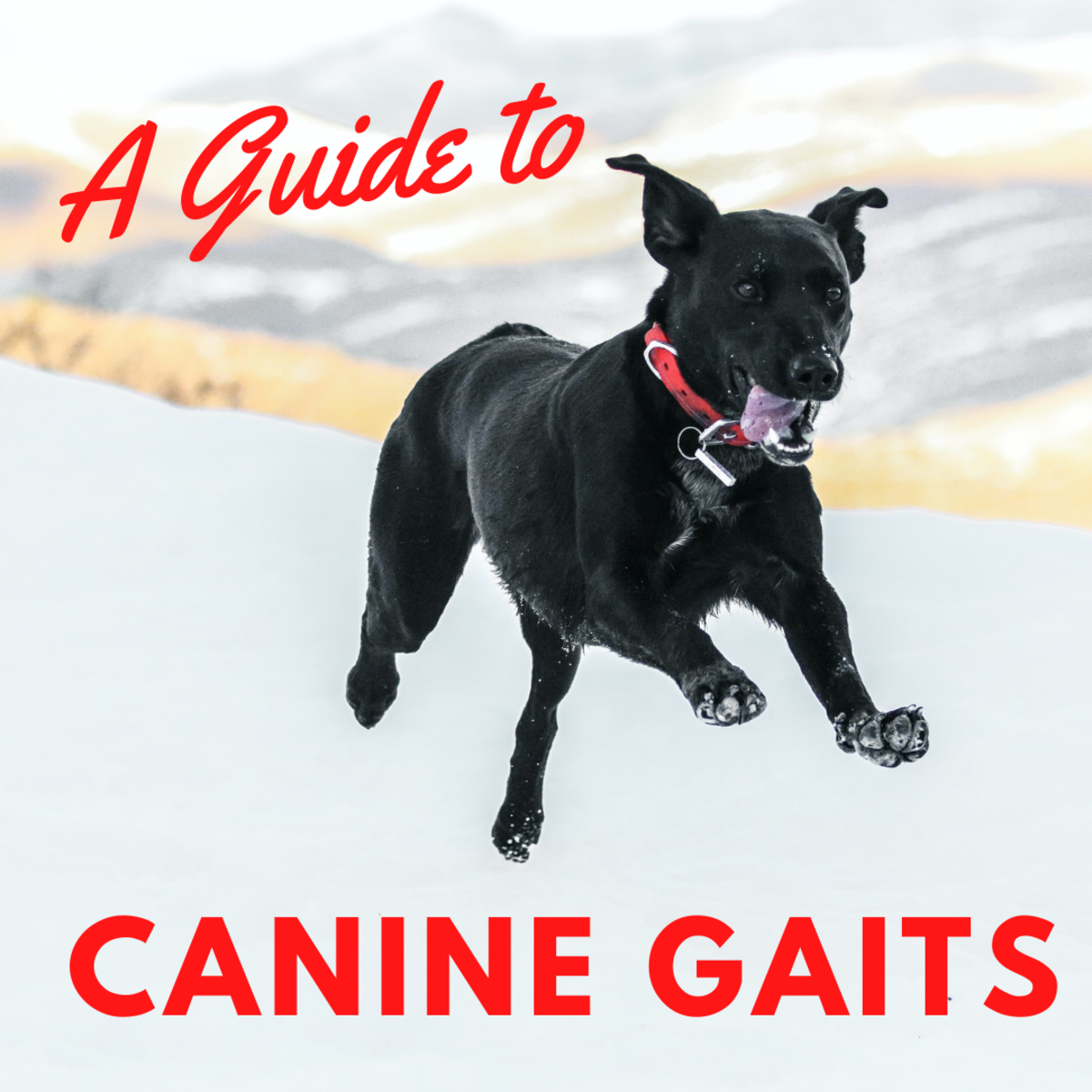
Jazz does this when she is feeling good, especially after rain, and it involves some heavy footfalls and exaggerated rocking gait! Sounds like a horse!The closet thing I see to that is an exaggerated canter.

Exactly.In these horses PACE means the two right legs are moving together, then the two left legs move together, as seen in the slo-mo video provided by @LifeofRubie. A TROT, is diagonal legs moving together - front right and back left will swing forward together, when they hit the ground the other diagonals will move forward together. I think pacers race against pacers and trotters race against trotters, but in any case, they neither one is allowed to break stride into a gallop.