Flea and Tick Prevention Revisited
by Judy Morgan May 10, 2019
Flea and Tick Prevention Revisited
Spring has sprung and with that comes the fear of flea and tick infestation. I have made it well-known that I do not recommend or prescribe
oral preventative medications that last one to three months, as I feel they are
extremely dangerous and have killed too many of our beloved dogs and cats. Even though I have named names in the past, people still send messages and emails daily asking about the use of these products. Once again, I reiterate: I do not feel they are safe chemicals that should be fed to our pets or applied topically. Instead, I choose to recommend and use safer, more natural products.
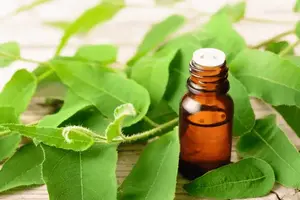
Essential oils have worked well in my hands in the past. Be careful when applying essential oils and don’t overdo them. Remember that your pet’s sense of smell is much stronger than yours. Apply oils in a well ventilated area and never spray around the pet’s face.
Cedar oil has worked well for many of my clients. It is
available for use on pets or in the environment. Not everyone likes the smell of cedar and there are many other essential oil products available. Personally, we use
Vetrirepel or
Kin + Kind because I like the smell. Hue and I recently took the Vetrirepel with us on our trip to the islands to repel mosquitoes. It worked great! Lavender oil has been shown to repel ticks, while lemongrass oil seems to work particularly well against fleas. Peppermint oil will affect the nervous system of fleas and ticks without harming your pet. Many people use rose geranium oil and find it works well. Neem oil has been around forever and is another favorite. The spray I use for my horses (
Ricochet) contains neem and I love the smell. Rose geranium oil is safe to use full strength directly on the pet, but you will only need to apply one drop behind each shoulder blade and one drop near the base of the tail. Other oils should be diluted before applying to pets. Oils can be diluted in EVOO or water and rubbed throughout the coat. They can also be diluted by putting a few drops in your favorite pet shampoo or conditioner. A bandanna with a few drops of diluted essential oil can also be used as a natural flea collar. Make sure the smell is not overwhelming, as this will be close to your dog’s nose.
Coconut oil kills and repels fleas due to the ingredient lauric acid. Coconut oil can be rubbed through the coat and can be fed to the pets. I use 1 teaspoon per 20 pounds of body weight twice daily in the food. Coconut oil melts at 76 degrees, so rubbing it between your hands will make it into a liquid that you can rub through your pet’s coat. It moisturizes skin and helps kill yeast too.
Another great product is
Bug Off Garlic for dogs (not cats). I have used this in the past in my barn for the horses. We still had flies, but the horses eating the product were bothered a lot less than the horses that weren’t. A lot of people claim dogs will
die when fed garlic, but that simply isn’t true and this is a great product. Fresh crushed garlic can also be added to your dog’s diet for flea protection. Anywhere from 1/2 clove to 2 cloves daily would be considered safe, depending on size of the dog. A good rule of thumb would be no more than 1/2 clove per 20 pounds of body weight daily, with a maximum of 2 cloves for any size dog. However, if you have a pet that has a history of hemolytic anemia, it would be safer to avoid use of garlic in any form.
I do not recommend using Brewer’s Yeast tablets for flea prevention. Brewer’s yeast basically contains B vitamins, but they are processed and degraded. B vitamins supplied naturally through a healthy diet will be more effective.
Beneficial nematodes can be used to kill flea larvae in your yard. Remember, the squirrels, rabbits, mice, and other small critters outside can be harbingers of fleas. Nematodes will not survive in hot, sunny areas of the lawn, but the fleas and ticks do not like those areas either. So spread these little guys in the shady, moist areas where the fleas and ticks are most likely to be found.
Ticks like cool, shady places, so a short-cut lawn with lots of sun will deter tick infestation. Plant
deer resistant plants in your yard so deer will not be as tempted to enter (I found out the hard way they LOVE tulips!). Plant lavender, sage, mint, wormwood, rosemary, and marigolds, which the fleas and ticks do not like.
If you are in a suitable area, a few chickens (you can collect your own organic eggs!) or guinea hens will go a long way toward keeping tick populations down to a minimum.
Food grade Diatomaceous Earth can be sprinkled in the environment or on the pet. Be careful when using topically, as you don’t want your pet to inhale the dust. DE will be drying to the coat, which is why it works to kill fleas and ticks – it dries them out.
Many people claim
vinegar works well. It can be added to the drinking water at the rate of 1 teaspoon per quart of water. We used to make a mixture of white vinegar and Skin So Soft to use on our horses. They had shiny coats and smelled great! Vinegar can also be diluted in water in a 1:1 mixture and sprayed on the coat.
Don’t forget the old fashioned
flea comb. The teeth are very close together and will comb out fleas and flea eggs. Put the fleas in a bowl of dish soap as you remove them, as this will kill them. These are particularly good for cats because it’s a lot harder to bathe a cat. Comb your pets daily if you have any evidence of flea activity.
Vacuum. A lot. Vacuuming will help remove the fleas, eggs, and larvae in the environment. Be sure to get in the corners, under the furniture, and in the crevices under the sofa cushions if your pet sleeps on the furniture. Wash pet bedding often in hot water.
No matter which prevention method you choose, remember that pets can still succumb to diseases spread by these parasites,
even with the use of chemical preventatives. I have had many patients become ill, even though they had monthly chemicals applied, either topically or orally. Most of the oral and topical products DO NOT REPEL fleas and ticks; they only kill them once they attach to the dog or cat. There are NO guarantees your pet will remain free of pest-born diseases, no matter what you use.
Keeping your pet free from Lyme disease, Anaplamosis, Ehrlichiosis, tapeworms, or other diseases does not mean you need to resort to chemical prevention. Vigilance and common sense, along with the use of natural preventatives, will keep your pets healthier in the long run. By avoiding the use of chemicals, our environment and the health of the planet for future generations will be greatly improved.
About Dr. Morgan
Dr. Judy Morgan is a nationally renowned author and veterinarian certified in acupuncture, food therapy, and chiropractic care for dogs, cats, and horses. As a sought after speaker, Dr. Morgan shares her insight here with blogs and videos.