Judith
Hot Topics Subscriber
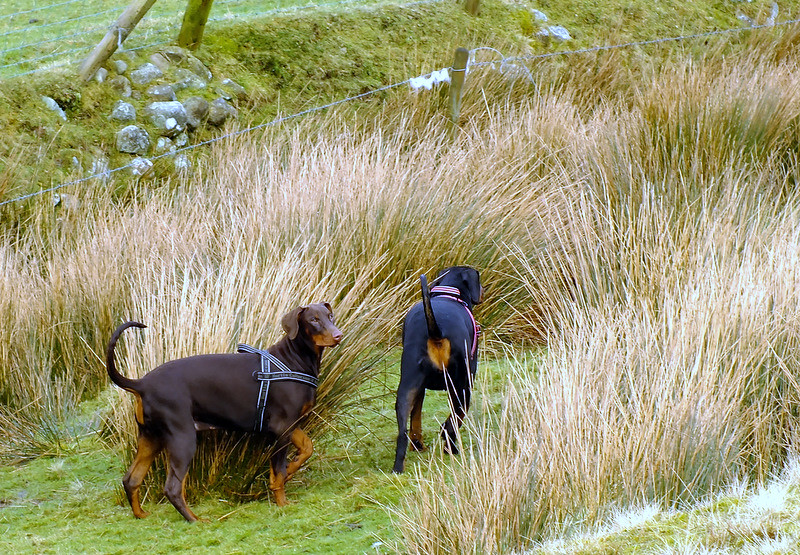
DSCF5016 by jadduke, on Flickr
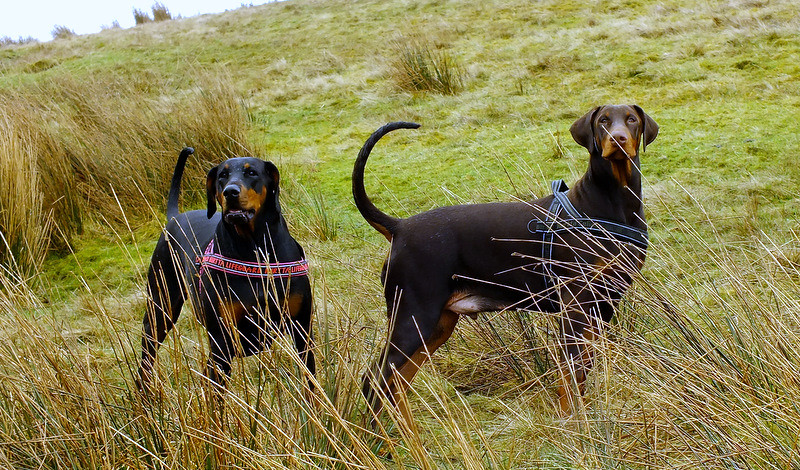
DSCF5060 by jadduke, on Flickr
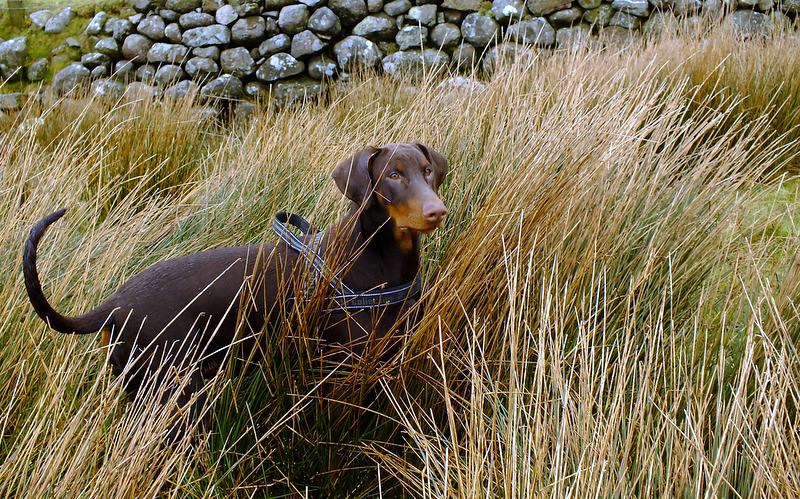
DSCF5057 by jadduke, on Flickr
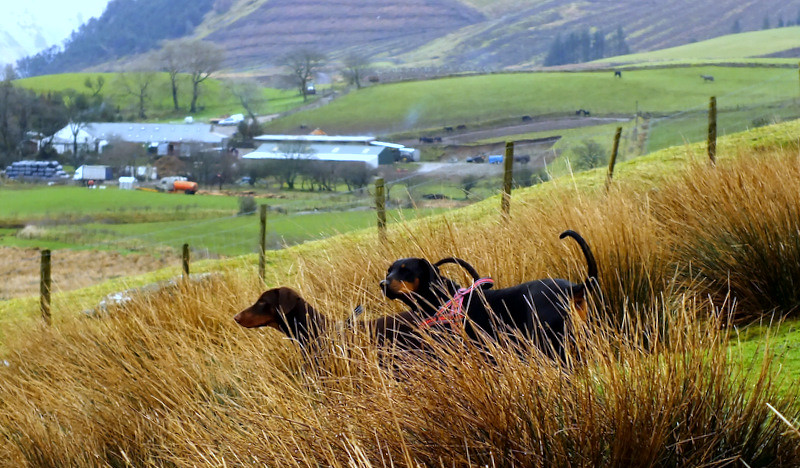
DSCF5038 by jadduke, on Flickr
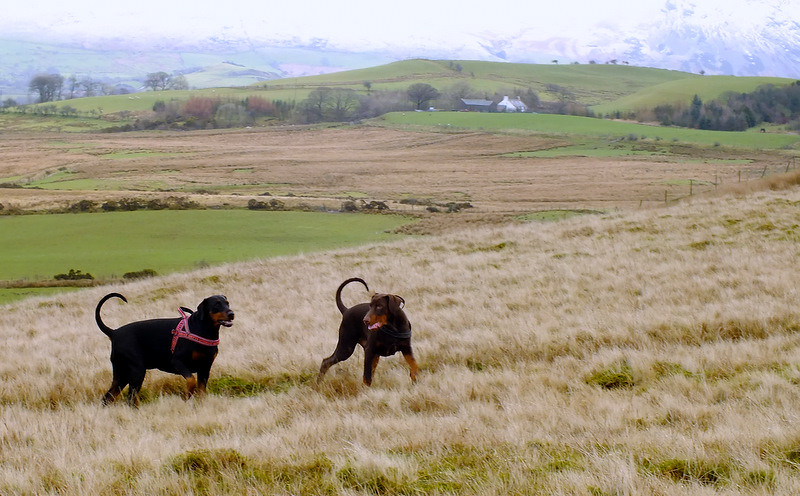
DSCF5026 by jadduke, on Flickr
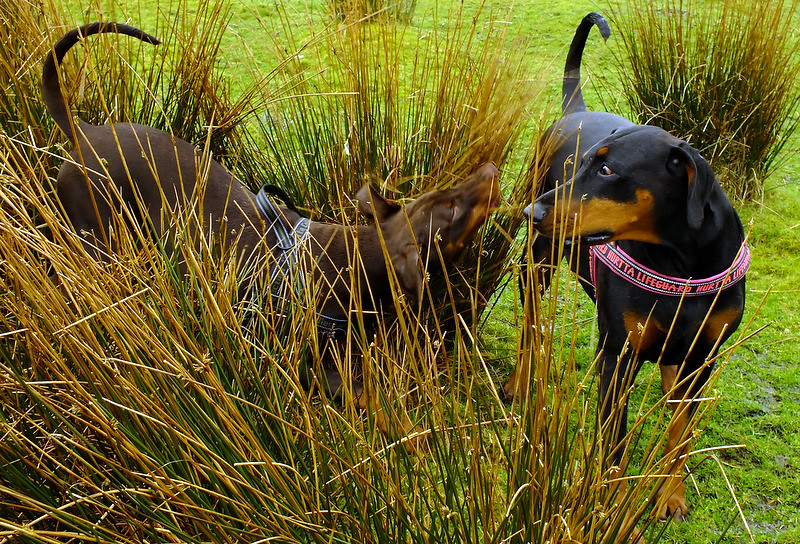
DSCF5048 by jadduke, on Flickr
DSCF5057 by jadduke, on Flickr
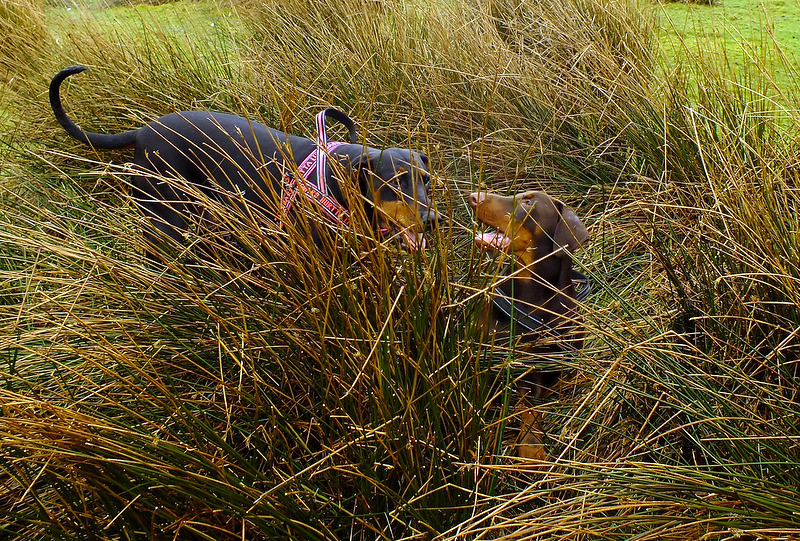
DSCF5051 by jadduke, on Flickr
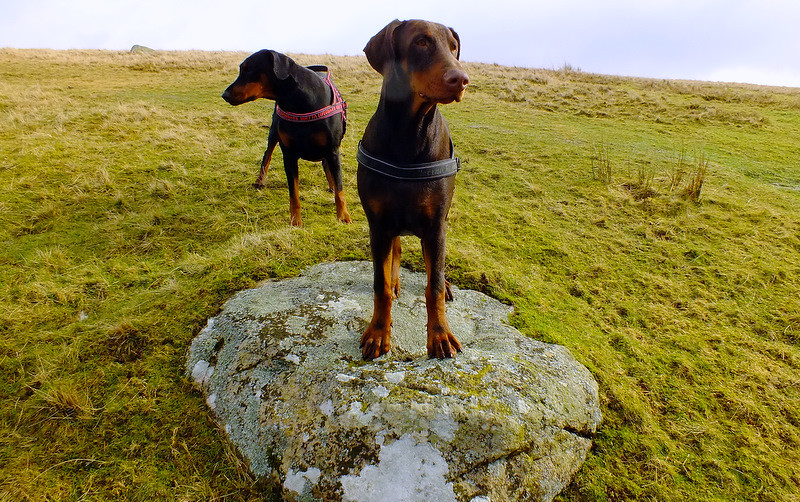
DSCF5088 by jadduke, on Flickr
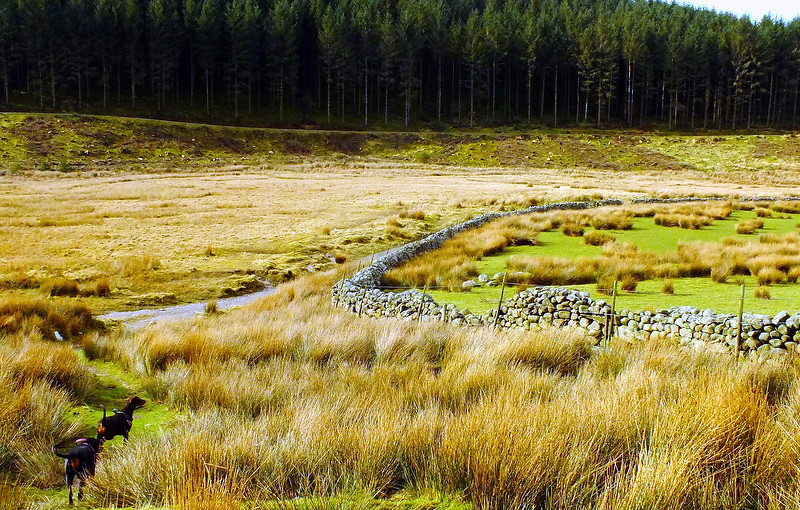
DSCF5117 by jadduke, on Flickr
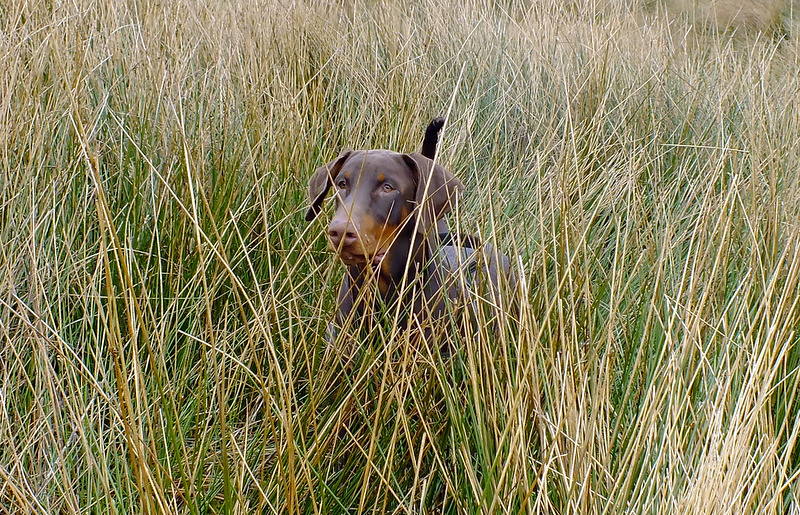
buddy trying to hide from Bella by jadduke, on Flickr
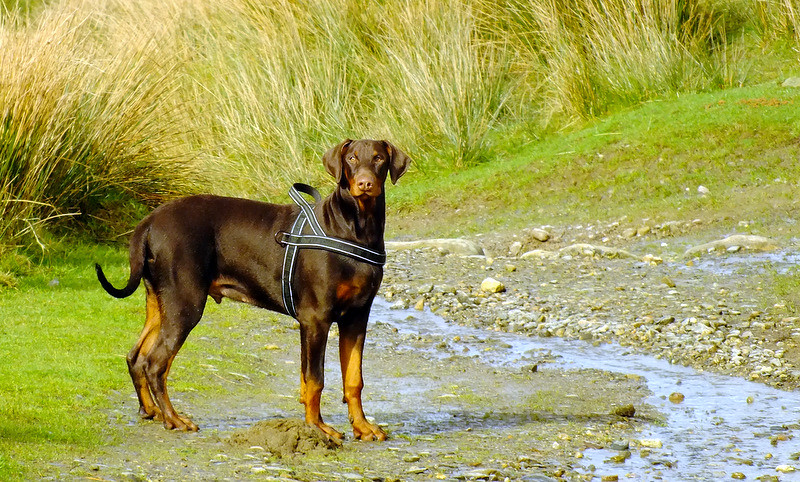
DSCF5133 by jadduke, on Flickr
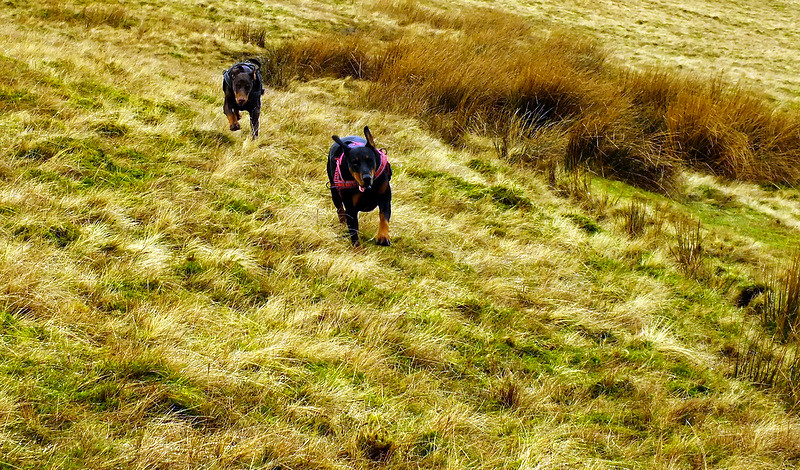
DSCF5077 by jadduke, on Flickr
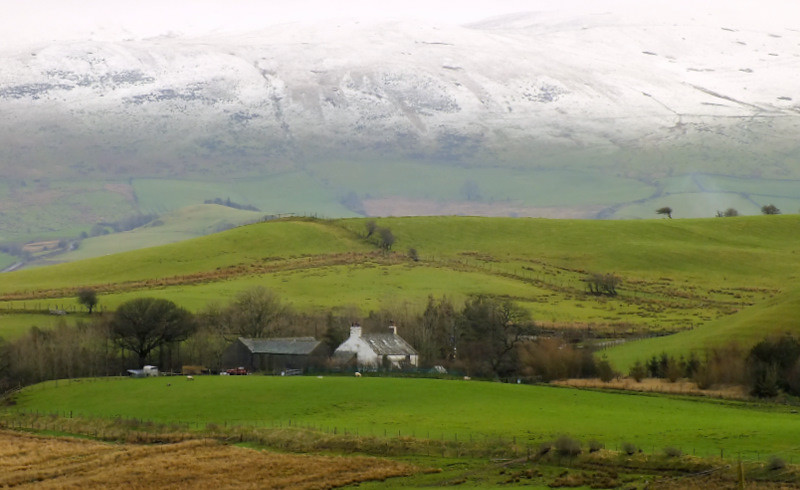
DSCF5083 by jadduke, on Flickr
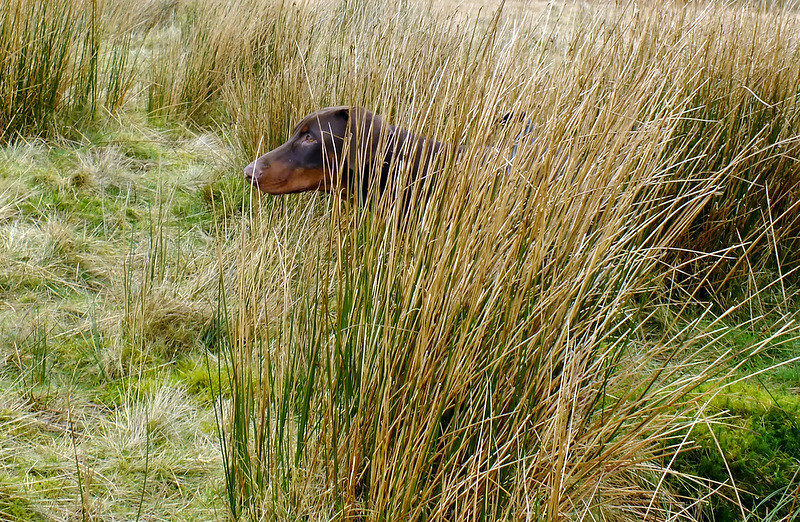
guess what Buddy is doing behind the reeds by jadduke, on Flickr
The walls you see are called dry stone walls, no motar was used building them the weight alone makes them stand they were built by the vikings to divide the land
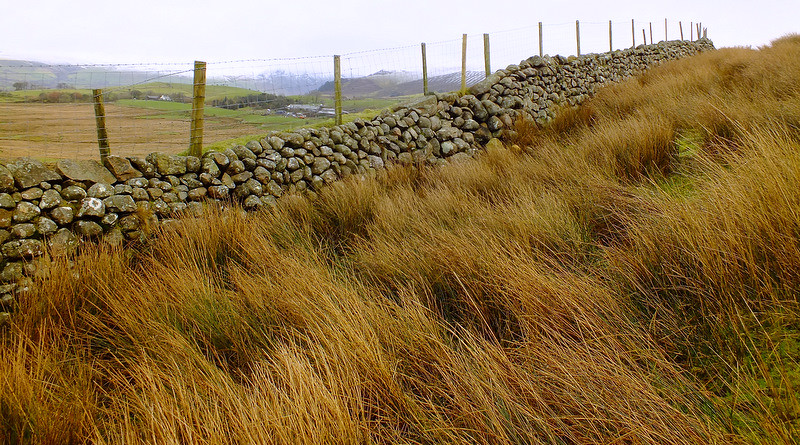
DSCF5067 by jadduke, on Flickr
The Lake District Vikings came from Western Norway, via Scotland, Ireland and the Isle of Mann. Arriving around the south west of the area they gradually penetrated into the uplands of the central region. The pattern of small farmers that became established in the area has its origins in Norse traditions, as does the practice of dividing holdings with drystone walls.
The Vikings bestowed on the area many of its distinctively Norse place names. Streams are termed becks, from the Norse 'bekr', waterfalls are forces from the Norse 'foss', 'thorpe', a hamlet, fell derives from "fjall" the Norse word for hill, and small lakes are termed tarns which derives from 'tjorn'. 'Thwaite' in Old Norse means clearing and 'saeter' summer pastures.
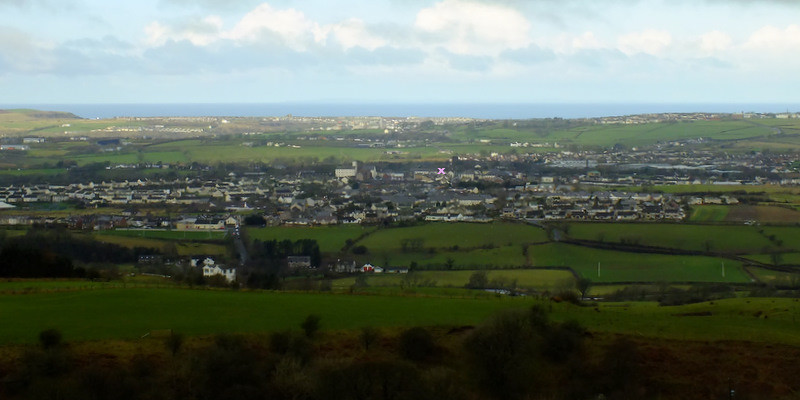
My town, the small pink x marks my house, beyond is the Irish sea and beyond that USA
DSCF5023 by jadduke, on Flickr